


 🔔 Affiliate Disclosure
This content may contain affiliate links. If you click on a link and make a purchase, we may receive a small commission — at no extra cost to you. Thank you for supporting BeatInsights! 💛
🔔 Affiliate Disclosure
This content may contain affiliate links. If you click on a link and make a purchase, we may receive a small commission — at no extra cost to you. Thank you for supporting BeatInsights! 💛
The Unspoken Language of Urban Spaces
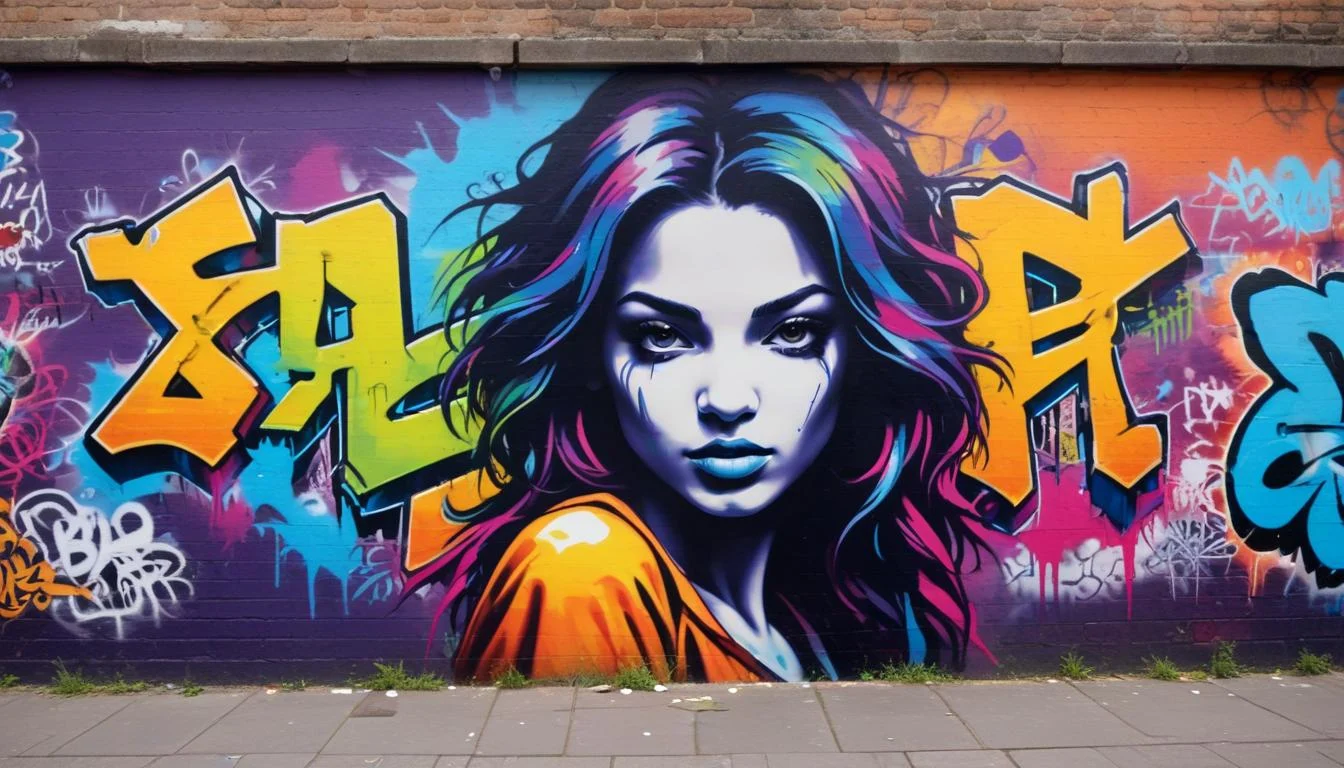
Urban environments hum with constant motion. Amidst this vibrant energy, Street Art Graffiti emerges. It is an unspoken language speaking volumes about culture and society. This art form transforms plain walls into vivid narratives. People often confuse it with simple vandalism or casual tagging. However, it represents a complex evolution of urban art. Many artists achieve widespread acclaim. Their work shows the profound cultural impact of street art. This piece will explore its history and diverse forms. Readers will also discover a street art techniques guide. We will even touch on a famous street artists list.
Graffiti art means more than just applying paint. It is a dialogue between artist and city. Early forms were often territorial marks. Modern expressions range from simple tags to elaborate murals. The key difference lies in intent and craft. Vandalism aims to deface. Tagging marks presence quickly. True street art, however, seeks to communicate. It adds beauty or makes a social comment. This art often sparks debate. Some see it as urban blight. Others view it as essential public art. It challenges traditional art spaces. This art makes galleries out of city streets.
The Evolution of Urban Expression: A Historical Blueprint
The urge to mark public spaces is ancient. Cave paintings show early human expression. Roman Empire walls displayed political slogans. Protest art has a long history. These early markings served many purposes. They recorded events or shared opinions. Modern Street Art Graffiti builds on these roots. It connects to a deep human need. This need is to leave a mark.
The evolution of urban art truly exploded in New York City. The subway system became a moving canvas. Young artists in the 1970s and 80s made it famous. They sprayed colorful names and designs. Trains carried their art across boroughs. This created a new kind of mobile gallery. Artists like Blade and Lee Quiñones became legends. Their work pushed boundaries. It showed what spray paint could achieve.
This vibrant subculture faced much opposition. City authorities saw it as crime. Yet, its popularity grew. Music, fashion, and film embraced it. Graffiti artists slowly gained recognition. Their work moved from subway cars to canvases. Art galleries started featuring their pieces. This transition marked a shift. It moved Street Art Graffiti from clandestine acts to public acceptance. Many contemporary artists now receive commissions. Their large-scale murals beautify cities.
Mastering the Medium: Techniques, Tools, and Trade Secrets
Street artists possess unique skills. They master various tools. Spray cans are their primary weapon. Different nozzles, called caps, create diverse lines. Fat caps produce wide strokes. Skinny caps allow for fine details. Artists also use respirators for safety. Gloves protect their hands. Ladders and lifts help reach high places. These tools form the artist’s arsenal.

The world of Street Art Graffiti extends beyond spray paint. Stenciling uses cut-out designs. Artists spray over them for crisp images. Wheatpasting involves gluing large paper posters. Sticker art covers smaller surfaces quickly. Yarn bombing adds knitted or crocheted pieces. Mosaic work uses broken tiles. These diverse approaches enrich the art form. They show artists’ endless creativity. This broad range offers a comprehensive street art techniques guide.
Execution demands speed and precision. Artists often work under pressure. They choose surfaces carefully. Brick walls, metal shutters, and concrete all pose challenges. Each surface requires different preparation. Some pieces are small and quick. Others are massive murals. These larger works require planning. Safety is a prime concern. Artists must manage height and fumes. The art demands both boldness and careful skill.
A Kaleidoscope of Styles: From Tags to Masterpiece Murals
Decoding Street Art Graffiti Styles reveals a rich visual language. Tags are stylized signatures. They mark an artist’s presence. Throw-ups are quick, bubbly letters. They are faster than full pieces. Bubble letters are round and playful. Wildstyle is complex and interwoven. It can be hard to read. Blockbusters use large, simple letters. These fill vast spaces quickly. Each style has its own history. Each reflects the artist’s personality.
Beyond lettering, character art gained traction. Artists developed unique figures. These characters often tell stories. Stencils also became prominent. Artists like Bansky popularized stencil art. These quick methods allow for rapid image placement. Stencils can convey clear messages. They often carry political or social commentary. This shows a different facet of the evolution of urban art.
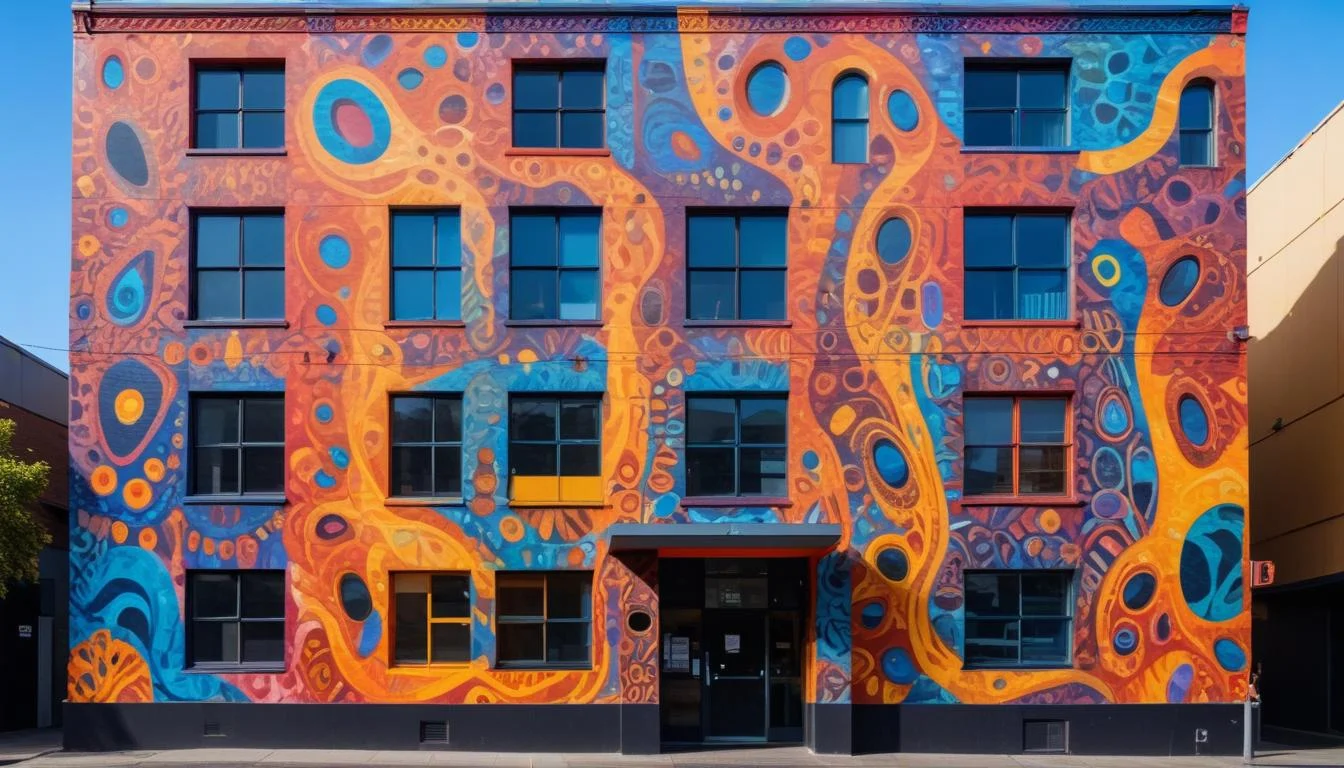
The urban canvas is truly grand. Public murals transform cityscapes. They turn dull walls into vibrant scenes. Many cities now commission such works. These projects engage local communities. They add beauty and cultural value. Artists collaborate with city planners. This shift shows growing appreciation. It highlights the cultural impact of street art. This acceptance includes some of the most famous street artists list. Their works contribute to city identity. They demonstrate the power and longevity of urban expression.
Iconic Figures and Global Movements: Shaping Urban Art
Street Art Graffiti stands as a powerful artistic expression. Its evolution of urban art reflects deep cultural shifts. The famous street artists list grows continuously. It includes pioneers and contemporary legends. The art forms vary widely, impacting communities. This section explores the cultural impact of street art. We discuss key figures and their influence. It covers street art techniques guide and global hotbeds.
Pioneers and Innovators
Early street artists laid vital groundwork. They transformed city walls into open galleries. Taki 183 became a legend in New York. His iconic tag appeared widely in the early 1970s. This helped birth the modern graffiti movement. Jean-Michel Basquiat began as SAMO, a graffiti tag. He moved from street art to gallery stardom. His powerful work blended words and images. Basquiat’s art explored themes of class and race. Keith Haring brought pop art directly to the streets. He used simple lines and bold, vibrant colors. Haring’s art championed public awareness campaigns. He addressed critical issues like AIDS and drug use. These influential artists shaped urban art history. They moved Street Art Graffiti into new cultural spaces. MoMA’s collection features many Haring pieces.
The Banksy Effect
One anonymous artist changed public perception. Banksy redefined the value of street art. His satirical stencils appeared across the globe. These works often carried sharp political messages. Banksy’s art drew massive international attention. It also significantly raised street art’s commercial value. His famous stunts, like shredding art at auction, made headlines. This move directly challenged traditional art markets. He proved art could be both public and financially valuable. Many now consider Street Art Graffiti a serious investment. This profound shift dramatically altered the cultural impact of street art.
Global Hotbeds of Street Art
Certain cities foster incredibly vibrant art scenes. Berlin’s rich history makes it an expansive canvas. The remnants of the Berlin Wall became a site for protest art. Today, districts like Kreuzberg boast impressive murals. Melbourne, Australia, is famous for its laneway art. Hosier Lane features constantly rotating works. São Paulo, Brazil, uses vibrant, bold colors. Its artists address deep social inequalities. Bristol, UK, is Banksy’s mysterious home city. It remains a key center for stencil art. These places clearly showcase the global reach. They also demonstrate the dynamic evolution of urban art.
Beyond the Canvas: Social Commentary and Legal Ambiguity
Street art often serves as a compelling voice. Artists use public spaces for many important reasons. This form of expression reaches wide, diverse audiences. It influences social dialogue directly and powerfully.
Street Art as a Voice
Public walls become powerful platforms for protest. Artists express political dissent openly. They critique social issues like poverty or injustice. Community messaging also thrives through murals. Murals often celebrate local heroes and history. They promote unique neighborhood identity and pride. Street Art Graffiti can raise awareness for critical causes. It sparks essential conversations among city dwellers. This art form makes strong social statements. It creates immediate and engaging public dialogue. Artists often use bold imagery for maximum impact. They connect with people where they live.
The Illegality Debate
Street art frequently operates in a legal gray area. Property rights form a central, complex issue. Is it mere vandalism or legitimate art? This fundamental question sparks ongoing conflict. Artists often face legal consequences. Authorities pursue charges for defacing public property. However, many argue passionately for artistic freedom. They believe public space belongs to everyone. This debate continues to define Street Art Graffiti. It challenges traditional notions of ownership and art. Yet, it also fuels creativity for countless artists. Legal risks are often part of the appeal.
Gentrification and Commercialization
Street art’s growing popularity has an inherent downside. It can unintentionally spur urban gentrification. Vibrant murals attract tourists and new businesses. Property values often then increase significantly. Long-time residents might get priced out of their homes. Commercialization also presents a significant conflict. Brands frequently use street art imagery in advertising. They aim to appear edgy, cool, or authentic. Artists sometimes feel exploited by this practice. Their unique work becomes a simple marketing tool. This raises serious questions about artistic integrity. This complex dynamic deeply affects the cultural impact of street art.
The Future of Urban Art: Preservation, Innovation, and Digital Frontiers
The future of street art appears incredibly dynamic. It faces significant challenges regarding preservation. Yet, it also eagerly embraces exciting new technologies.
From Ephemeral to Enduring
Street art is often inherently temporary. Weather, city clean-up crews, and new art replace it. Documenting this transient art form is absolutely crucial. Photographers diligently capture murals before they vanish. Films and documentaries preserve important stories and processes. Virtual archives now catalog extensive, digital collections. Websites like Google Arts & Culture feature urban art widely. This ensures its enduring legacy for future generations. It helps capture the famous street artists list before works disappear. Preserving street art techniques guide is also vital.
Legal Walls and Art Districts
Designated spaces increasingly foster urban creativity. Legal walls allow artists to paint freely. Cities create specific art districts for this purpose. These areas greatly reduce legal conflicts. They also actively promote community engagement. Festivals often celebrate the urban art form. Events like Pow! Wow! Hawaii invite artists worldwide. These spaces support the rich evolution of urban art. They provide safe places for new street art techniques guide. This helps artists hone their craft and connect with wider audiences. Such initiatives boost the cultural impact of street art.
New Technologies and Platforms
Technology continues to reshape street art’s future. Augmented reality (AR) adds fascinating digital layers. Viewers use phones to see animations on murals. Digital art projects explore entirely new forms. Online communities connect urban artists worldwide. Platforms like Instagram effectively showcase new works. They allow global sharing of stunning Street Art Graffiti. These tools ensure urban art’s continued relevance. They push the boundaries of artistic expression constantly. The evolution of urban art continues at a rapid pace.
Conclusion: The Enduring Legacy of Street Art Graffiti
Street art holds an undeniably powerful position. It challenges traditional artistic norms constantly.
A Force of Nature
Street Art Graffiti is a relentless creative force. It provokes deep thought and lively debate. It beautifies drab urban settings dramatically. It challenges authority and societal convention. This art form embodies raw, untamed creative energy. It speaks to universal human experiences directly. Its power ultimately lies in its accessibility. This makes it a truly democratic and vital art form.
An Ever-Evolving Dialogue
Street art remains a crucial art form today. It continually reinvents its appearance and message. New artists emerge with fresh ideas and styles. Street art techniques guide constantly change and adapt. Its ongoing dialogue with society never truly ends. This continuous interaction defines its core strength. It keeps the art form relevant, dynamic, and vital. This strongly demonstrates the enduring cultural impact of street art.
Looking Ahead
Urban art faces continuous adaptation. Preservation efforts will grow significantly. New digital tools will enhance its creation. Its powerful social commentary will remain strong. Street art will continue to capture global attention. It stands as a testament to human creativity. The famous street artists list will only expand. Its future is bright, vibrant, and full of promise.
