 🔔 Affiliate Disclosure
This content may contain affiliate links. If you click on a link and make a purchase, we may receive a small commission — at no extra cost to you. Thank you for supporting BeatInsights! 💛
🔔 Affiliate Disclosure
This content may contain affiliate links. If you click on a link and make a purchase, we may receive a small commission — at no extra cost to you. Thank you for supporting BeatInsights! 💛
What is Aromatherapy?
Aromatherapy at home is a holistic practice using aromatic essential oils to improve physical and emotional well-being. It offers natural remedies for stress and anxiety using essential oils and is a fantastic way to create a calming atmosphere. Learning how to use essential oils for headaches or simply to improve sleep is surprisingly simple. This guide explores Aromatherapy At Home encompassing everything from choosing the best essential oil diffuser for home to creating your own DIY aromatherapy blends for sleep. The benefits are numerous including stress reduction improved sleep mood elevation and pain relief. However some myths surround aromatherapy so let’s address those first.
Benefits and Dispelling Myths
Aromatherapy’s benefits are widely recognized. Many find it effective for stress reduction promoting relaxation and a sense of calm. Improved sleep is another key benefit with certain oils like lavender being particularly helpful. Furthermore aromatherapy can elevate mood combating feelings of sadness or anxiety. Finally pain relief is another potential application particularly for headaches or muscle aches.
Despite its popularity some myths persist. One common concern revolves around safety. It’s crucial to always dilute essential oils before topical application using a carrier oil like jojoba or coconut oil. Another myth is that aromatherapy is ineffective. While not a cure-all it is a powerful complementary therapy that can significantly enhance well-being when used correctly. Always consult with a healthcare professional if you have pre-existing health conditions.
Setting the Mood
Creating a relaxing atmosphere is key to successful aromatherapy. Dim the lights light candles play calming music and ensure a comfortable temperature. This sets the stage for the essential oils to work their magic providing a sanctuary from daily stresses. Remember Aromatherapy At Home is about creating a personalized experience designed to suit your needs and preferences.
Essential Oils: A Deep Dive
Choosing high-quality essential oils is paramount. Look for oils labeled “organic” and “therapeutic grade” indicating purity and potency. These terms typically signify higher standards of production and extraction methods resulting in a superior product. For example brands like Young Living and doTERRA are known for their quality standards. Additionally consider purchasing from reputable suppliers to ensure authenticity.
Understanding essential oil properties will further enhance your aromatherapy experience. Oils are categorized into top middle and base notes influencing how long their scent lingers. Top notes are light and evaporate quickly while base notes are heavier and last much longer. Blending oils from different note categories creates a well-rounded and longer-lasting fragrance.
Popular Essential Oils
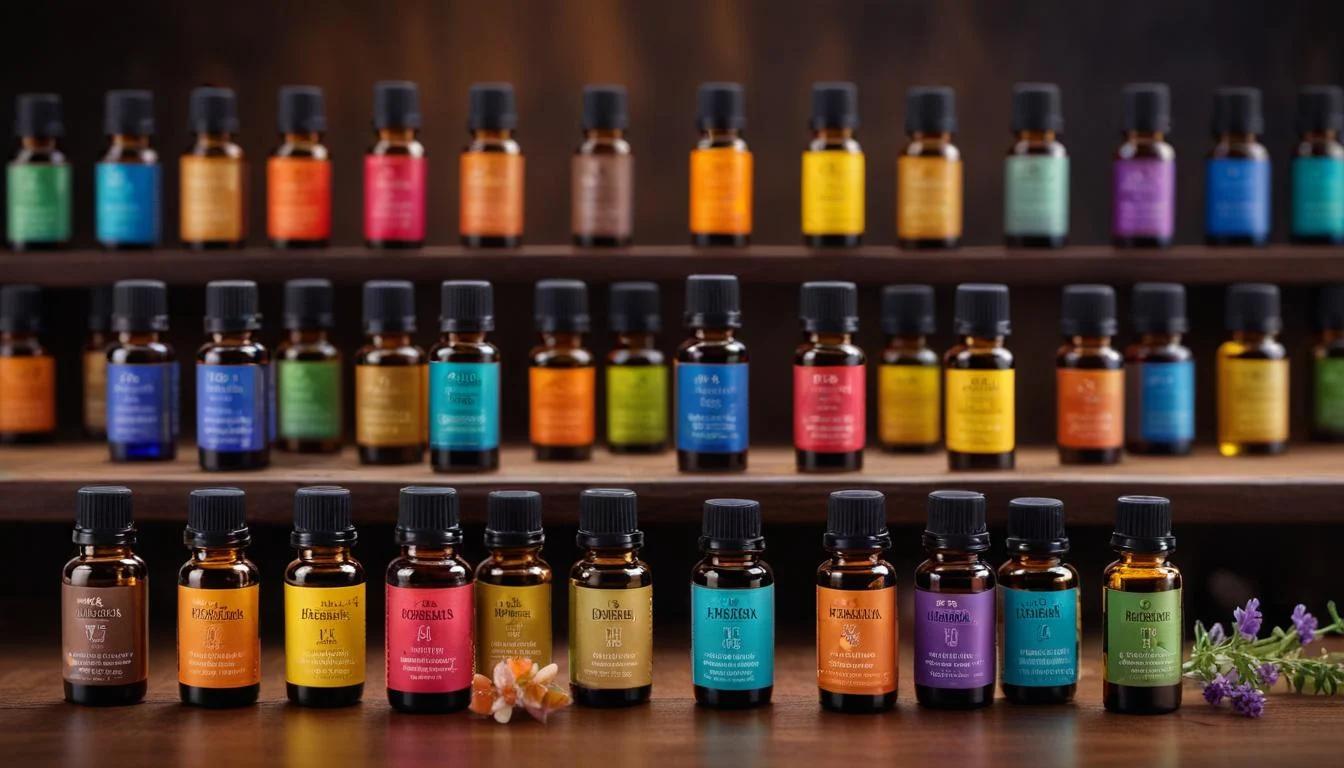
Numerous essential oils possess unique benefits. Lavender is renowned for its relaxing and sleep-promoting properties. Peppermint is energizing and can improve focus. Eucalyptus is a common choice for respiratory support. Tea tree oil possesses powerful antiseptic qualities. Lastly lemon uplifts mood combats fatigue and is a natural disinfectant.
Blending Essential Oils
Blending essential oils is an art form enabling the creation of custom scents tailored to your needs. However the process requires a basic understanding of synergy. Certain oils complement each other enhancing their individual properties. For example a blend of lavender chamomile and bergamot is known for its calming and sleep-inducing effects. Always begin with small amounts experimenting gradually to achieve your desired fragrance and therapeutic effects. Many resources offer pre-made blends or ideas for experimentation for instance this website is a great starting point. Aromatherapy At Home is very much a journey of discovery.
Methods of Aromatherapy at Home
Using a diffuser is the most popular method for aromatherapy at home. Several types exist including ultrasonic nebulizing and reed diffusers. Ultrasonic diffusers use vibrations to disperse essential oils into a fine mist they’re quiet and easy to use but require regular cleaning. Nebulizing diffusers atomize oils without heat preserving their chemical integrity but they can be noisier. Reed diffusers passively release oils via reeds but they may not provide as strong a scent as other methods. Choosing the best essential oil diffuser for home depends on your preferences and budget.
Inhalation is another simple yet effective method. Direct inhalation involves gently breathing in the scent from the bottle. Steam inhalation involves adding a few drops of essential oil to a bowl of hot water inhaling the steam. However always use caution to avoid burns.
Topical Application and Baths
Topical application requires diluting essential oils with a carrier oil before applying to the skin. Carrier oils such as jojoba coconut and almond oil help prevent skin irritation. Avoid applying essential oils to sensitive areas like eyes or mucous membranes. Remember that Aromatherapy At Home involves careful attention to safety precautions.
Adding essential oils to bathwater is a relaxing method. Add a few drops of your chosen oil to the bathwater avoiding direct contact with the skin. Always dilute oils with a carrier oil or milk prior to use.
Compresses provide localized relief. Apply a few drops of diluted essential oil to a warm compress then apply to the affected area. This is beneficial for muscle aches headaches or other localized discomfort. DIY aromatherapy blends for sleep may also use this method, particularly for headache relief.
Creating Personalized Aromatherapy Blends
Understanding synergy between oils is vital for creating effective blends. Synergy refers to how oils work together their combined effects often exceeding the sum of their individual properties. Aromatherapy At Home is about creating effective and pleasing combinations. For instance combining lavender and chamomile creates a blend that is deeply relaxing and sleep-promoting. Experimentation is crucial to discovering your ideal blends.
Recipes for Common Ailments
Numerous recipes address specific concerns. For relaxation combine 3 drops of lavender 2 drops of chamomile and 1 drop of bergamot. For respiratory support blend 2 drops of eucalyptus 1 drop of peppermint and 1 drop of tea tree oil. These blends can be used in a diffuser or topically after dilution. Remember to consult a qualified aromatherapist for more detailed guidance. Natural remedies for stress and anxiety using essential oils are a growing field and offer a personalized pathway to improved health and wellness. Aromatherapy At Home gives you the ability to tailor your self-care.
The information provided here is for educational purposes only and does not constitute medical advice. Always consult a qualified healthcare professional before using essential oils for therapeutic purposes especially if you have any underlying health conditions. Consult a qualified aromatherapist for personalized guidance in creating aromatherapy blends.
Aromatherapy Blends for Well-being
Aromatherapy at home is a fantastic way to enhance your well-being using natural remedies for stress and anxiety using essential oils. Whether you’re seeking relaxation after a long day or need a boost in focus for work or studies this guide will show you how to craft effective blends for various needs. Finding the best essential oil diffuser for home is crucial for optimal aromatherapy. Learning about DIY aromatherapy blends for sleep and how to use essential oils for headaches is also valuable.
Stress Relief Blends
Lavender is a classic choice for stress relief. Its calming properties are widely recognized. Combine 3 drops of lavender with 2 drops of chamomile and 1 drop of sweet orange in your diffuser. This blend promotes relaxation and eases tension. Alternatively a blend of bergamot lemon and geranium offers an uplifting yet calming effect. Remember always to dilute essential oils properly before use. For an invigorating blend try using peppermint and rosemary. These oils can revitalize your senses and help you better handle stressful situations.
Improved Sleep Blends
For improved sleep create a blend that promotes relaxation and tranquility. A popular choice is a combination of lavender chamomile and Roman chamomile. These oils create a calming atmosphere promoting restful sleep. Consider adding a drop of sandalwood or vetiver for a deeper sense of calm. For a more complex blend try combining these essential oils with clary sage and cedarwood. These oils are known for their calming and grounding properties. Aromatherapy at home is a powerful tool for improving sleep quality.
Focus and Concentration Blends
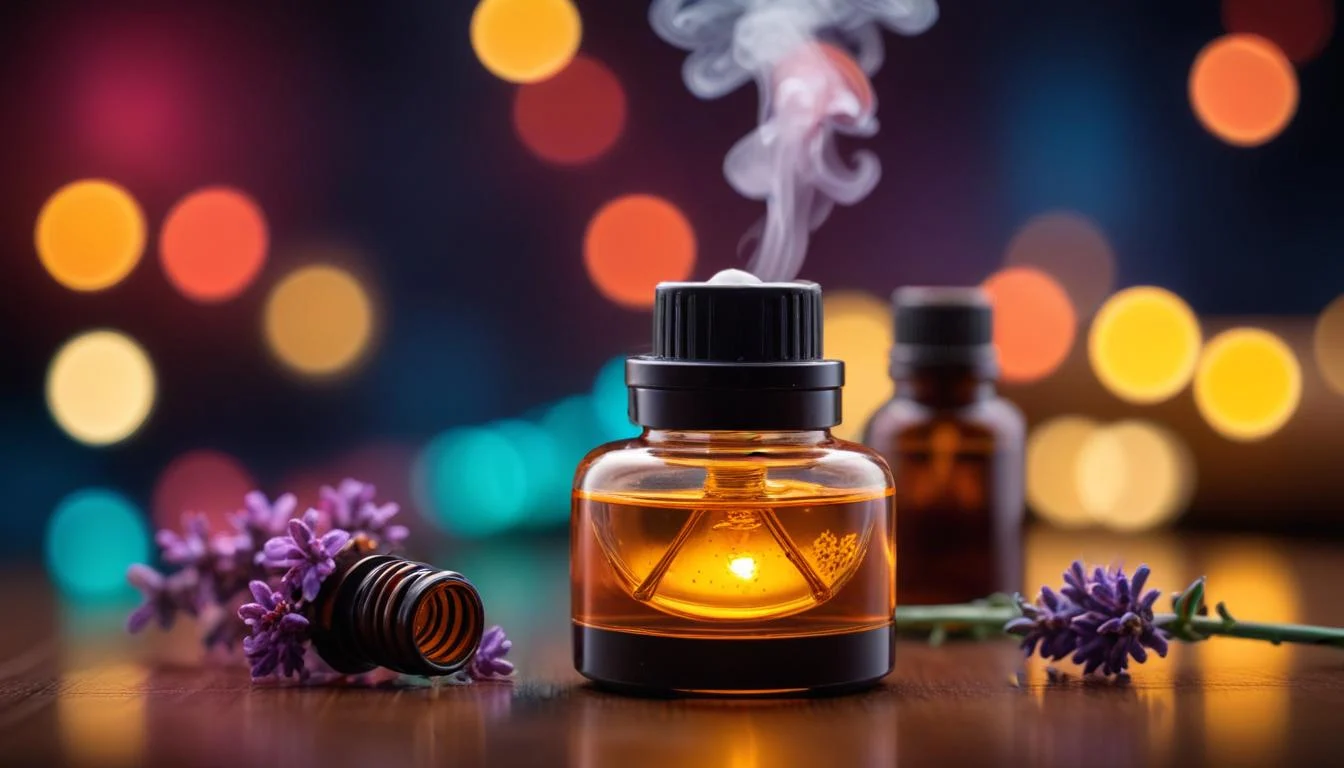
Need to sharpen your focus? Peppermint and rosemary are exceptional for enhancing concentration and mental clarity. Combine equal parts of these two oils for a stimulating blend. Similarly lemon and eucalyptus can help invigorate the mind and enhance focus. Remember to use a high-quality diffuser such as the popular Vitruvi diffuser for the best results with Aromatherapy At Home. These DIY aromatherapy blends for sleep are also perfect for improving cognitive function.
Respiratory Support Blends
Eucalyptus tea tree and peppermint are excellent for respiratory support. These oils can help clear congestion and soothe irritated airways. However always dilute essential oils properly before use particularly for respiratory applications. It is important to note that while aromatherapy can be beneficial it should not replace medical treatment for respiratory conditions. Furthermore remember that Aromatherapy At Home requires careful selection of essential oils and their proper application.
Creating Your Own Unique Blends
Experimenting with different essential oil combinations is a rewarding process. Start with a base oil like sweet almond or jojoba oil. Then add your chosen essential oils. Begin with a small amount and adjust based on your preference. Always refer to safety guidelines before blending essential oils. This is a key element of successful Aromatherapy At Home. Finding the best essential oil diffuser for home will enhance your experience greatly as well. Remember that DIY aromatherapy blends for sleep and other purposes require careful consideration.
Safety and Precautions
Essential oils are potent substances and require careful handling. Always perform a patch test before using a new oil to check for allergic reactions and sensitivities. Proper dilution of essential oils is crucial especially for topical application. Avoid contact with eyes and mucous membranes. Always store essential oils in a cool dark place away from direct sunlight. Pregnant women and children should exercise extra caution and consult with a healthcare professional before using essential oils. Some essential oils may interact with medications. It’s important to consult your doctor if you are on medication before using aromatherapy.
Aromatherapy for Specific Needs
Aromatherapy offers a natural approach to various health concerns. For stress and anxiety lavender chamomile and bergamot are calming options. For sleep problems lavender Roman chamomile and sandalwood are commonly used. For headaches and migraines peppermint lavender and rosemary can be helpful. However always consult your doctor regarding how to use essential oils for headaches effectively. Peppermint eucalyptus and tea tree are beneficial for muscle pain and aches. Respiratory issues may benefit from eucalyptus peppermint and tea tree. Remember that Aromatherapy At Home is an excellent addition to your healthcare but should not replace medical advice.
Conclusion
Aromatherapy at home provides a natural path to wellness. Through creating personalized blends you can address specific needs from stress relief to improved sleep. Remember always to prioritize safety by using high-quality oils and diluting them appropriately. Experiment to discover the blends that work best for you and enjoy the benefits of aromatherapy. For further learning consider books like “The Complete Book of Essential Oils and Aromatherapy” and websites like the National Association for Holistic Aromatherapy NAHA.
FAQ
Q: How often should I use essential oils?
A: This depends on the oil and its intended use. Generally start with less frequent use and gradually increase as needed.
Q: Can I use essential oils directly on my skin?
A: No never apply undiluted essential oils directly to your skin. Always dilute them in a carrier oil.
Q: What if I experience an allergic reaction?
A: Discontinue use immediately and consult a doctor.
Q: My essential oils are cloudy. Is this normal?
A: This indicates a possible issue with quality or storage. Cloudy oils should be discarded. High-quality oils should be clear. Aromatherapy At Home benefits from using fresh high-quality essential oils. Choosing the best essential oil diffuser for home is vital too.