


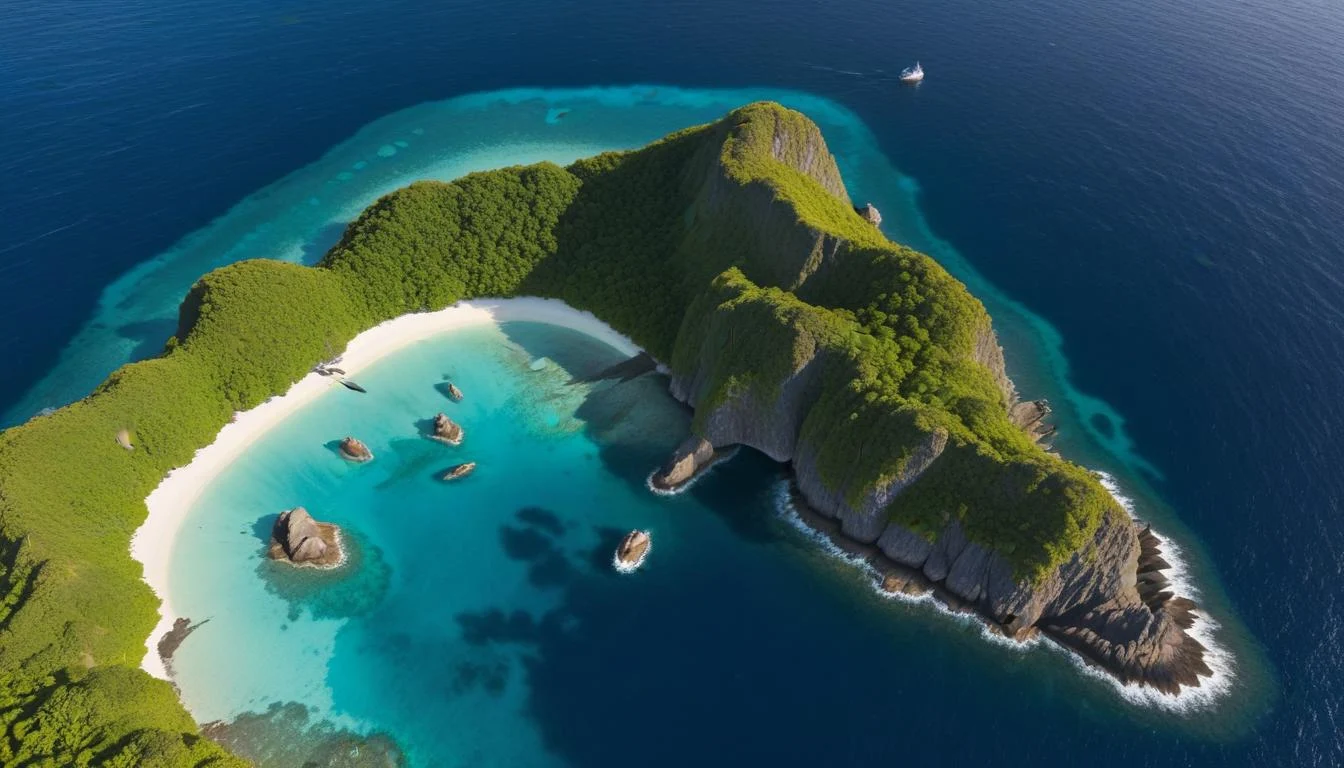
 🔔 Affiliate Disclosure
This content may contain affiliate links. If you click on a link and make a purchase, we may receive a small commission — at no extra cost to you. Thank you for supporting BeatInsights! 💛
🔔 Affiliate Disclosure
This content may contain affiliate links. If you click on a link and make a purchase, we may receive a small commission — at no extra cost to you. Thank you for supporting BeatInsights! 💛
Island Mapping: A Comprehensive Overview
Island Mapping, particularly remote island mapping techniques, plays a crucial role in various sectors. Coastal zone management mapping relies heavily on accurate and detailed island data. High resolution island mapping drones are revolutionizing data acquisition while island GIS mapping software facilitates efficient analysis and visualization. This exploration delves into the methods technologies and applications of island mapping.
What is Island Mapping?
Island mapping is the process of creating detailed representations of islands and their surrounding areas. This encompasses charting coastlines topography bathymetry and other crucial geographical features. The purpose is multifaceted including supporting navigation resource management environmental monitoring and coastal zone management. The scope can range from small-scale surveys of individual islands to large-scale projects encompassing entire archipelagos. Island Mapping is vital for sustainable development and informed decision-making.
Why is Island Mapping Important?
Island Mapping is essential for a multitude of reasons. For conservation efforts detailed maps help identify ecologically sensitive areas track changes in habitats and guide conservation strategies. Coastal management benefits significantly from accurate shoreline data aiding in erosion prediction flood risk assessment and coastal protection planning. Navigation relies heavily on accurate charts and maps of island features. Resource management including fisheries and mineral exploration uses mapping data for efficient planning and sustainable resource extraction. Island Mapping is therefore critical for effective and responsible governance of these unique ecosystems.
Historical Context of Island Mapping
Historically island mapping relied on traditional surveying methods. Early explorers used rudimentary tools and techniques to create basic charts often with limited accuracy. The development of sophisticated surveying instruments improved accuracy however. The advent of aerial photography in the mid-20th century marked a significant advancement. Subsequently satellite imagery and more recently technologies such as LiDAR have revolutionized Island Mapping providing high-resolution data that was previously unattainable. Furthermore the integration of Geographic Information Systems (GIS) has further enhanced the analysis and interpretation of mapping data. Island Mapping techniques are continuously evolving thanks to technological advancements.
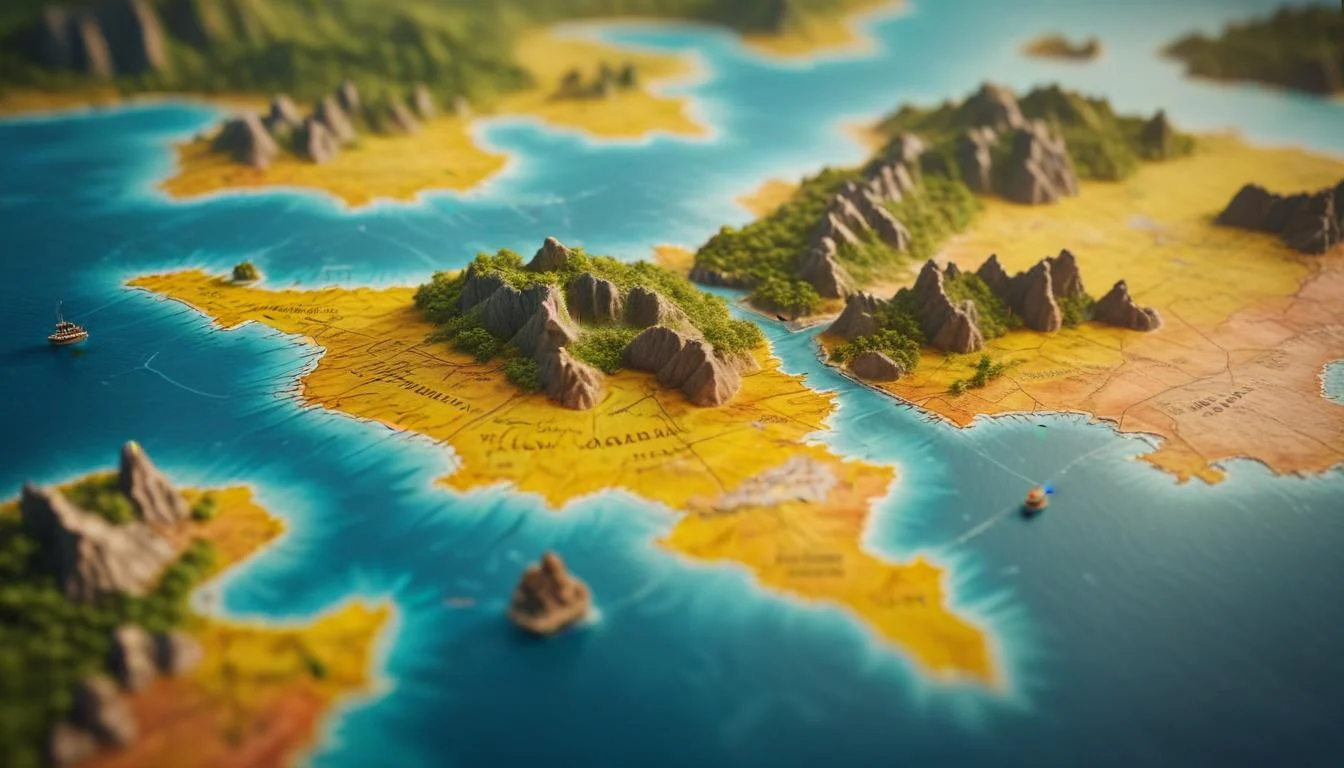
Methods and Technologies in Island Mapping
Traditional surveying techniques such as triangulation leveling and traversing remain relevant particularly for detailed ground surveys in accessible areas. However these methods are time-consuming labor-intensive and often unsuitable for remote or challenging terrain. Consequently remote sensing technologies have become increasingly important. Satellite imagery from platforms like Landsat and Sentinel provides large-scale coverage ideal for monitoring changes over time. Aerial photography offers higher resolution data suitable for detailed mapping applications. LiDAR (Light Detection and Ranging) uses laser pulses to create incredibly accurate 3D models of the terrain including vegetation canopy.
Moreover Geographic Information Systems (GIS) play a vital role in integrating data from various sources. Software such as ArcGIS Pro from Esri and QGIS provide tools for data management analysis and visualization. Island GIS mapping software allows for the creation of comprehensive spatial databases supporting informed decision-making. High resolution island mapping drones offer another significant advancement. UAVs enable cost-effective data acquisition particularly in challenging terrains but data processing requires specialized skills. This technique provides flexibility and high-resolution data for detailed analysis.
Challenges and Considerations in Island Mapping
Accessibility and terrain pose significant challenges particularly for remote islands. Logistical difficulties including transportation and fieldwork can increase costs and timeframes. Furthermore data accuracy and resolution are crucial considerations. Different technologies vary significantly in accuracy and the need for quality control and validation procedures is paramount. Environmental factors such as weather tides and vegetation affect data acquisition and necessitate careful planning and execution.
In addition legal and regulatory frameworks must be considered. Permits and approvals from relevant authorities may be required for various mapping activities particularly for conservation areas. Island Mapping must comply with the existing environmental rules and regulations. Therefore careful planning and adherence to regulations is essential. Island Mapping projects need to address these challenges comprehensively to ensure accuracy and compliance.
Applications of Island Mapping
Island mapping has far-reaching applications. Coastal zone management benefits immensely from high-resolution shoreline data enabling accurate modeling of coastal processes and informed management decisions. Conservation efforts utilize island mapping data to identify and monitor key biodiversity hotspots implement targeted conservation strategies and assess the impacts of human activities. Resource management including fisheries management and mineral exploration utilizes mapping data for efficient planning and sustainable resource use. Navigation relies heavily on accurate charting of island features and waterways enhancing safety and efficiency. Consequently Island Mapping plays a crucial role in sustainable island development and efficient governance.
Furthermore remote island mapping techniques allow for detailed characterization of these often-isolated environments. These techniques can help to support sustainable development initiatives. High-resolution island mapping drones help in monitoring infrastructure and human settlements on islands. Island GIS mapping software can therefore help to efficiently manage and analyze this diverse data. Island Mapping provides valuable insights for a variety of purposes.
Learn more about GIS applications in environmental management
Coastal Zone Management and Island Mapping
Island Mapping is crucial for effective coastal zone management. High-resolution island mapping drones and advanced island GIS mapping software are transforming how we monitor coastal erosion. Detailed coastal zone management mapping allows for precise identification of erosion hotspots enabling timely interventions. These remote island mapping techniques provide invaluable data for informed decision-making regarding coastal protection strategies. Furthermore, island mapping contributes significantly to habitat mapping by providing detailed information on the location and extent of various coastal ecosystems such as mangroves wetlands and coral reefs. This precise data is essential for resource management allowing for sustainable utilization and conservation efforts.
Habitat Mapping and Conservation
Island Mapping is also pivotal in conservation and biodiversity efforts. Accurate maps are essential for identifying critical habitats of endangered species facilitating targeted conservation strategies. For instance, mapping can pinpoint nesting sites of sea turtles or breeding grounds of rare bird species. Consequently this data can be used to establish protected areas optimize management practices and track changes in ecosystem health over time. By using island GIS mapping software, scientists can analyze spatial data to understand the distribution and abundance of species detect habitat loss and fragmentation and predict the impacts of climate change. Moreover the use of high-resolution island mapping drones allows for detailed surveys of even the most inaccessible areas.
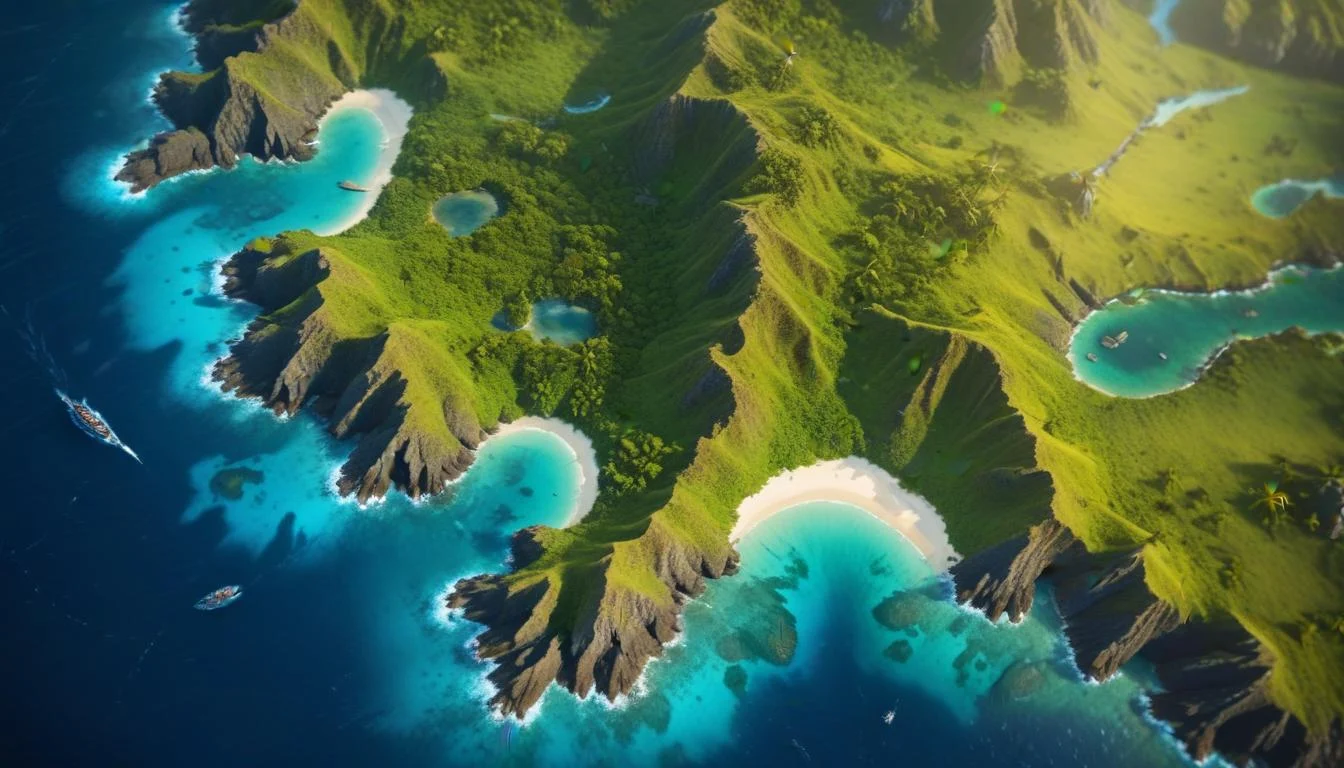
Navigation and Infrastructure Development
Accurate island maps are indispensable for safe navigation. For maritime traffic and emergency response accurate charting of waterways shorelines and potential hazards is paramount. Island Mapping, especially using remote island mapping techniques, ensures safe passage and efficient search and rescue operations. Additionally island mapping plays a crucial role in infrastructure development on islands. Coastal zone management mapping is essential for responsible planning of ports roads and other infrastructure projects. This meticulous process minimizes environmental impact by identifying sensitive ecosystems and planning projects to avoid or mitigate disruption. Through integrated island GIS mapping software developers can assess the feasibility and environmental implications of projects before construction begins.
Future Trends in Island Mapping
The future of Island Mapping is bright. Advancements in technology particularly in the realm of artificial intelligence (AI) and machine learning are revolutionizing how we collect and analyze spatial data. AI algorithms can automate data processing feature extraction and change detection drastically reducing the time and resources needed for map creation and analysis. Furthermore AI-powered tools can analyze large datasets to identify patterns and trends that might be missed by manual inspection improving our ability to predict and mitigate risks such as coastal erosion and habitat loss. The integration of AI into Island Mapping promises greater efficiency and accuracy.
In addition to AI several advancements in remote sensing are improving our mapping capabilities. Hyperspectral imaging provides detailed spectral information about the Earth’s surface enabling more precise identification of different materials and vegetation types. This is invaluable for monitoring environmental changes mapping species distribution and tracking pollution. Advanced radar systems provide data regardless of weather conditions opening up new possibilities for year-round mapping of even the most remote islands. These techniques are central to coastal zone management mapping and remote island mapping techniques.
Citizen Science and Open Data
Citizen science and community involvement are becoming increasingly important aspects of Island Mapping. Participatory mapping projects engage local communities in data collection and analysis improving the accuracy and relevance of maps. Local communities possess invaluable local knowledge of their environment making their contribution to Island Mapping essential. Moreover their insights are critical for planning and implementing sustainable resource management strategies. The proliferation of open-source data and collaboration platforms promotes broader access to island mapping data. Open data initiatives foster transparency accountability and collaboration facilitating better decision-making by scientists governments and local communities. This is particularly relevant for island GIS mapping software which increasingly utilizes open-source data and tools.
Conclusion
Island Mapping is a crucial tool for effective coastal zone management conservation biodiversity enhancement and safe navigation. High-resolution island mapping drones combined with advanced island GIS mapping software allow for detailed analysis of island ecosystems supporting effective resource management and infrastructure planning. By using remote island mapping techniques we gain important information for conservation projects. The ongoing integration of AI machine learning and citizen science is set to transform the field further improving data accuracy and expanding access to vital spatial information. The future of Island Mapping promises improved environmental stewardship sustainable development and enhanced safety for island communities. The ongoing development of island GIS mapping software and remote island mapping techniques underscores the importance of this field.
