


 🔔 Affiliate Disclosure
This content may contain affiliate links. If you click on a link and make a purchase, we may receive a small commission — at no extra cost to you. Thank you for supporting BeatInsights! 💛
🔔 Affiliate Disclosure
This content may contain affiliate links. If you click on a link and make a purchase, we may receive a small commission — at no extra cost to you. Thank you for supporting BeatInsights! 💛
The Dawn of Smart Energy: Why Your Home Needs an Upgrade
Rising utility bills are a concern. Many households feel this pressure. Environmental impact is another worry. Global climate goals need action. Reducing energy use helps everyone. It protects our planet’s future. Electricity prices continue to climb. This makes saving money crucial. Smart Home Energy Saver Devices offer a solution. They cut costs and carbon emissions. These smart home devices to reduce electricity bill provide real advantages.
Old timers just turn things on or off. They lack real intelligence. Smart technology goes beyond this. It learns your habits and needs. These devices predict usage patterns. They adjust settings automatically. This is not simple automation. It provides proactive energy management. Real-time data helps optimize energy use. This reduces waste significantly.
A smart home brings comfort and ease. It also boosts sustainability efforts. Expect lower energy bills each month. Enjoy a more responsive home environment. These devices improve your daily life. They support a greener future for all. You gain full control over your energy usage. This creates massive savings over time.
Decoding Smart Thermostats: The Brains of Your HVAC System
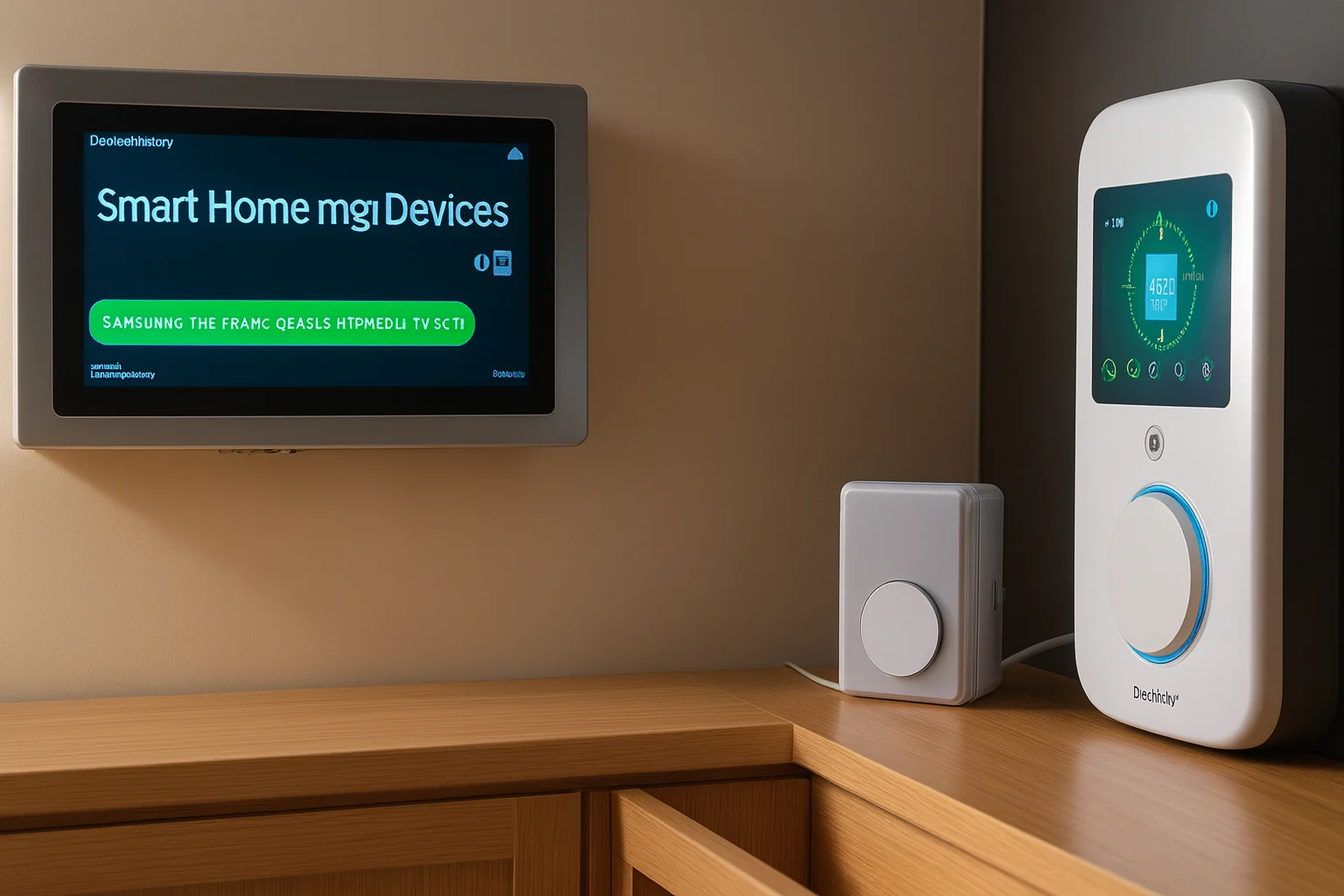
Smart thermostats are quite intelligent. They learn your preferred settings. These devices use learning algorithms. They adjust temperatures precisely. You can control them from afar. Use your phone or voice commands easily. Some models manage different zones. Each room has its own unique setting. This prevents energy waste. It keeps your home perfectly comfortable year-round.
Geofencing is a key function. It senses when you leave or arrive home. Advanced scheduling lets you set specific times. Occupancy sensors detect people’s presence. These features stop heating or cooling an empty house. Integration with other smart devices boosts savings further. For example, Google Nest thermostats work with other Google Nest products.
Nest, Ecobee, and Honeywell Home are top brands. Look for models that provide energy reports. Check for ease of use and installation. Consider compatibility with your existing HVAC system. Also, think about voice assistant support. The best smart thermostats for energy efficiency offer strong features. They deliver great value and long-term savings for homeowners.
Smart Plugs & Power Strips: Eliminating Phantom Power
Many devices use power even when turned off. This phenomenon is called “vampire draw.” This standby power consumption adds to your annual bill. TVs, game consoles, and phone chargers are big culprits. These hidden costs quickly accumulate. This wasted energy is easily avoided with smart solutions.
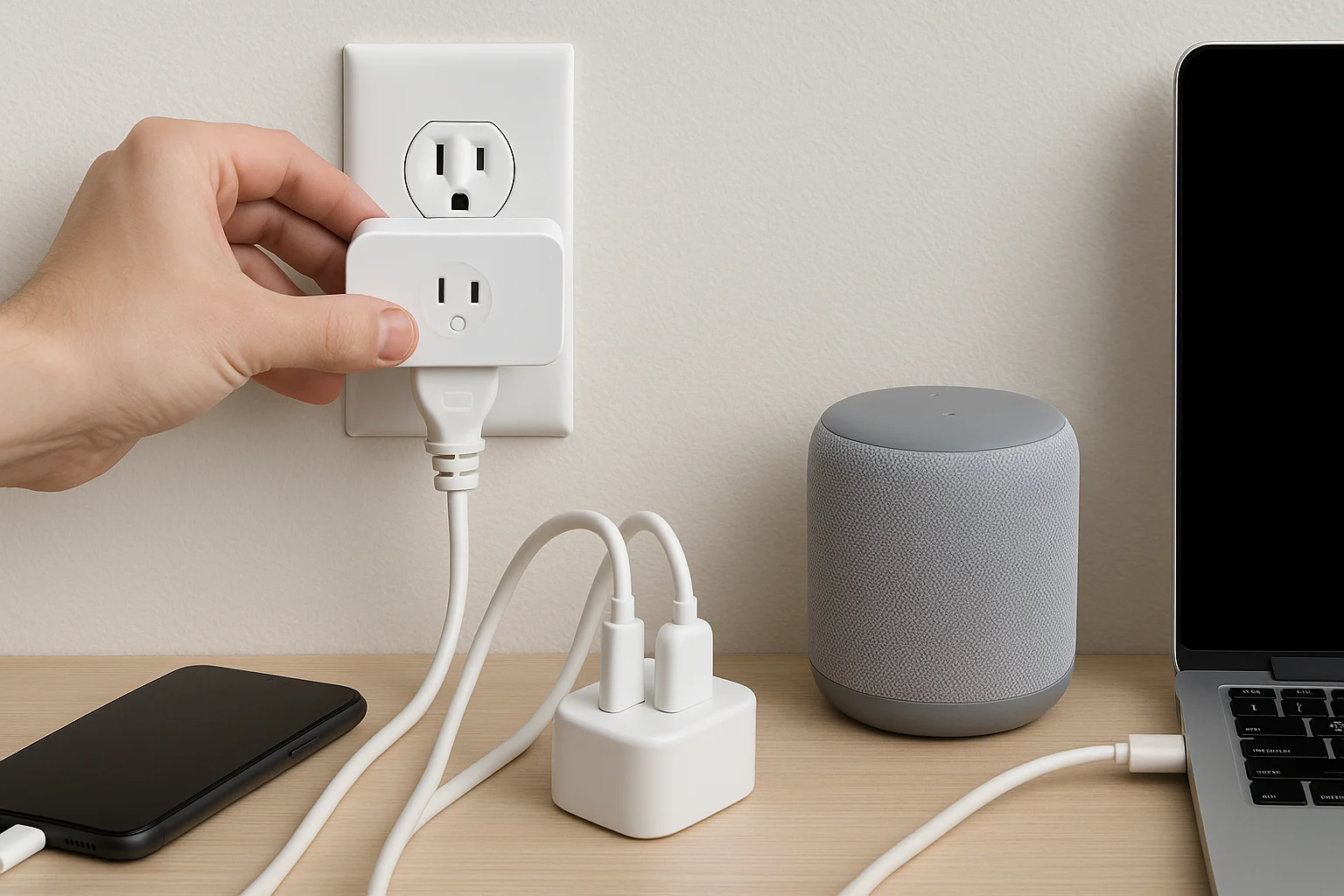
Smart plugs fully cut power. They stop “vampire draw” entirely. You control them using your smartphone. Remote on/off is very simple to manage. Set custom schedules for specific devices. Turn off your TV overnight, for instance. Many plugs include energy monitoring. See which devices consume most power. These smart plugs for phantom load elimination install easily.
Use them for entertainment centers. Turn off all related devices together. They are great for home offices. Power down monitors and printers remotely. Kitchen appliances also benefit greatly. Schedule your coffee maker to turn off automatically. Chargers for phones and laptops are ideal candidates. Smart plugs are simple Smart Home Energy Saver Devices. They offer quick savings.
Illuminating Efficiency: Smart Lighting Solutions
Smart bulbs offer more than simple light. They provide dimmability. Adjust color temperature for various moods or tasks. Set advanced schedules for lights. They can turn on before you arrive home. They use less electricity than old bulbs. They also last much longer than traditional options. Brands like Philips Hue and Sengled offer many choices.
Motion sensors and occupancy detection save energy. Lights turn on only when needed. This means no more lights left on in empty rooms. Motion sensors detect physical movement. Occupancy sensors sense a person’s presence. They work very well in hallways or bathrooms. This ensures highly efficient illumination.
Group lights for specific activities. Create a “movie night” scene. Adjust light levels for different times of day. Bright in morning, dim at night. You can automate these lighting scenes. They run on a schedule or trigger. This optimizes light usage efficiently. It further reduces electricity bills. Smart lighting is a key component of Smart Home Energy Saver Devices.
Comprehensive Energy Monitoring Systems: Seeing is Saving
Whole-home monitors display your usage. You see electricity consumption instantly. Devices like Sense or Emporia Vue give real-time data. They connect directly to your home’s electrical panel. This immediate feedback is very powerful. It helps understand energy habits clearly. You can observe how different activities impact your monthly bill.
Data visualization highlights energy-intensive users. Spot inefficient appliances quickly. The system breaks down consumption. It shows usage for each device. You can then address these “energy hogs” effectively. Perhaps an old freezer uses far too much power. Home energy monitoring systems reviews often praise this feature greatly.
Insights from monitors help adjust your daily habits. Make informed changes easily. Decide when to run large appliances. Shift usage to off-peak hours. You can verify if new appliances truly save energy. This direct knowledge leads to significant savings. It empowers you to lower bills. These are crucial smart home devices to reduce electricity bill.
Expanding Your Smart Home Energy Arsenal
Automated window coverings do more than look good. They optimize natural light use. They block sun in summer months. This reduces cooling requirements. They retain heat in winter. This lowers your heating loads. Smart blinds, such as those from Lutron or Bali, integrate with your system. They work with your thermostat for maximum effect. This significantly boosts home insulation. It’s a smart way to save energy. These devices contribute greatly to overall home efficiency. Consider these Smart Home Energy Saver Devices for maximum impact on your wallet.
Smart sprinkler systems offer major water savings. They use local weather data. This means your lawn gets water only when it needs it. No more watering during rain or right after a storm. This intelligent irrigation significantly cuts down on water waste. It also reduces the energy used by your well pump or municipal water supply. Less pump use means lower electricity bills. For example, a system like the Rachio 3 Smart Sprinkler Controller checks forecasts. It adjusts watering schedules automatically. This protects your plants and saves resources. These are important Smart Home Energy Saver Devices.
Smart appliances with energy-saving modes also contribute greatly. Modern refrigerators, for instance, have vacation modes. This reduces power use when you are away. Washing machines now feature eco-friendly cycles. They use less hot water and spin faster. This extracts more water, shortening dryer time. Smart dryers often include moisture sensors. They stop running when clothes are dry. This prevents over-drying and wasted energy. Look for features like LG ThinQ or Samsung SmartThings for connected control. These smart home devices to reduce electricity bill are becoming standard. They deliver real, measurable savings.
Building Your Smart Energy Ecosystem
Creating a connected home requires understanding how devices talk. This is crucial for efficient energy management.
Understanding Communication Protocols
Different smart devices use various languages. Wi-Fi is common for many devices. It offers good range. Zigbee and Z-Wave are specialized protocols. They create a mesh network. This extends the signal reliably. Thread is a newer option. It focuses on low power and high reliability. Devices using these protocols often require a hub. This hub translates between them. For example, a Apple HomePod Mini uses Thread. Understanding these helps ensure your smart home devices to reduce electricity bill work together.
Centralized Control with Voice Assistants
Voice assistants simplify managing your smart home. Amazon Alexa, Google Assistant, and Apple HomeKit allow easy control. You can dim lights or adjust thermostats with a simple command. This centralizes control of your Smart Home Energy Saver Devices. It makes saving energy more convenient. Imagine telling your assistant to “turn off all lights” as you leave. This prevents forgotten energy waste. Central hubs further integrate devices.
Automating Energy Management
Automation rules bring your devices to life. Services like IFTTT (If This Then That) connect disparate systems. You can set rules. For instance, “If my smart thermostat detects I’m away, then turn off the smart plugs for phantom load elimination.” Another rule could be, “If sunset, then turn on my smart lights to 50%.” These synergistic actions create seamless energy management. This optimizes your smart home energy usage.
Choosing the Right Smart Home Energy Saver Devices
Selecting the best devices starts with knowing your home’s needs. This helps you target the biggest energy drains.
Assessing Your Energy Needs
First, identify where you waste energy. Do you leave lights on? Is your AC running too often? A home energy monitoring system review can highlight these areas. Devices like the Sense Home Energy Monitor show real-time consumption. They can identify energy-hungry appliances. Addressing these “pain points” makes your smart home investment more effective. Consider your comfort challenges too. Maybe you need a better temperature control. The best smart thermostats for energy efficiency can solve this.
Budgeting for Smart Home Investments
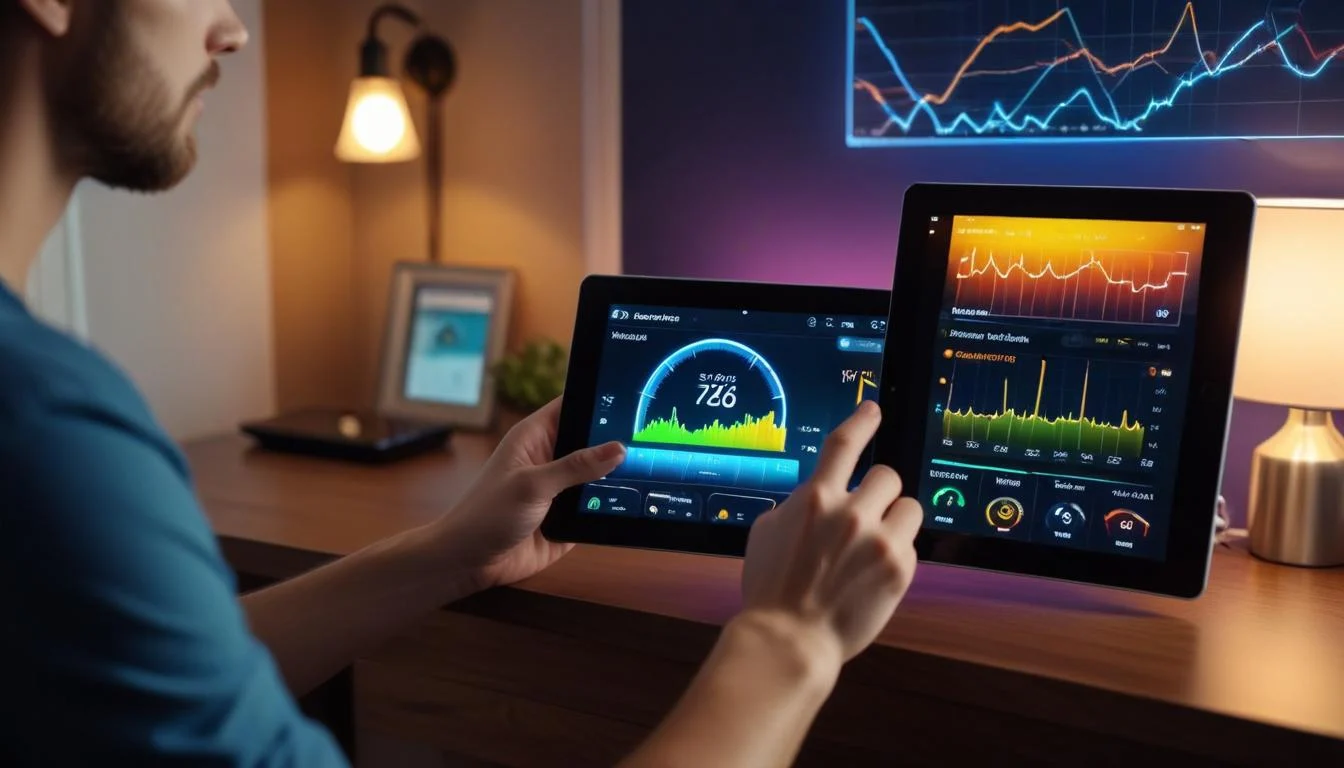
Smart home investments vary in cost. Initial outlays can range from small to significant. However, these costs often lead to long-term savings. Calculate the return on investment (ROI). For example, a smart plug costs about $15. It can save much more by eliminating phantom loads. A good home energy monitoring system can pay for itself in a year or two. Think of it as investing in your home’s future efficiency.
Ensuring Compatibility and Scalability
Check device compatibility carefully. Ensure new devices work with existing systems. If you have an Amazon Echo, choose Alexa-compatible products. Also, consider scalability. Can you add more devices later? Will your chosen system support future expansion? This prevents needing to replace everything later. Look for open standards or widely supported platforms. This future-proofs your Smart Home Energy Saver Devices setup.
Maximizing Savings Beyond Device Installation
Installing devices is just the first step. You need to use them wisely to get the most savings.
Leveraging Smart Schedules and Routines
Consistent use of automated schedules is vital. Set your thermostat to cool less when you are at work. Schedule your washing machine to run during off-peak hours. Program smart lights to turn off at bedtime. These simple routines prevent energy waste. They ensure your smart home devices to reduce electricity bill work constantly. This passive saving adds up quickly.
Monitoring and Adjusting for Peak Efficiency
Regular monitoring keeps your system optimal. Check your energy consumption data. Many home energy monitoring systems reviews show how to do this. See which routines work best. Fine-tune settings as needed. For instance, if your smart thermostat is set too low, adjust it. A small change can save a lot over time. This ongoing review is key to maximum savings.
Cultivating Smart Habits
Technology works best with good habits. Turn off lights when leaving a room. Unplug chargers when not in use. These actions complement your smart tech. For example, a smart plug for phantom load elimination handles standby power. Yet, unplugging large unused electronics still helps. Smart habits and Smart Home Energy Saver Devices make a powerful team.
The Future of Smart Home Energy
The evolution of smart home tech promises even greater savings and efficiency.
Predictive AI for Advanced Savings
Artificial intelligence will revolutionize home energy. Predictive AI will learn your habits. It will anticipate your needs. For example, it might pre-cool your home before you arrive. It could adjust heating based on upcoming weather. This proactive optimization means even greater energy savings. It minimizes human input too.
Integrating with the Energy Grid
Smart homes will play a role in grid stability. Demand response programs allow utilities to adjust your usage. For example, your smart thermostat might slightly raise the temperature during peak demand. You get rewarded for this. This helps balance the energy grid. It contributes to a more stable power supply for everyone.
Sustainable Living Through Smart Tech
Widespread adoption of smart tech has a huge impact. It lowers energy consumption nationwide. This reduces carbon emissions. It lessens the strain on power plants. Sustainable living becomes more attainable for everyone. Smart Home Energy Saver Devices are not just about personal savings. They are about a better future.
Conclusion: Embrace a Smarter, More Efficient Home Today
You have seen the many benefits of smart home energy. These include significant cost savings. You gain increased comfort and convenience. Importantly, you also reduce your environmental footprint. From smart sprinkler systems to the best smart thermostats for energy efficiency, the options are many.
Your journey to energy independence starts now. Begin with a few key smart home devices to reduce electricity bill. Then, expand your system over time. You can make your home much more efficient. Take control of your home’s power use. The power is in your hands, and in your Smart Home Energy Saver Devices.
