


 🔔 Affiliate Disclosure
This content may contain affiliate links. If you click on a link and make a purchase, we may receive a small commission — at no extra cost to you. Thank you for supporting BeatInsights! 💛
🔔 Affiliate Disclosure
This content may contain affiliate links. If you click on a link and make a purchase, we may receive a small commission — at no extra cost to you. Thank you for supporting BeatInsights! 💛
Augmented Reality Shopping Try-on: The New Retail Frontier
The way people shop changes quickly. Consumers now expect more from their retail experiences. They seek convenience and interaction. Digital transformation pushes stores to offer new solutions. This is where Augmented Reality Shopping Try-on steps in. It lets you virtually test products before buying them. This Virtual try-on technology overlays digital items onto your real surroundings. It offers a new way to interact with products. Now is the ideal time for AR try-on. Technology has grown strong enough. Consumers want rich, immersive shopping. AR retail solutions meet this demand directly. This article will explore AR try-on’s impact. We will look at its benefits for shoppers and businesses. We will also discuss its inner workings and future. Understanding AR try-on helps reduce online returns with AR. It also makes shopping better. This includes a robust Web AR shopping experience.
Decoding Augmented Reality Shopping Try-on: How It Works
Augmented Reality (AR) and Virtual Reality (VR) are different. VR creates a fully digital world. AR adds digital elements to your real view. Augmented Reality Shopping Try-on focuses on this blend. It enhances your current reality.
Core Technologies Explained
Several technologies power AR try-on. Simultaneous Localization and Mapping (SLAM) is one. SLAM allows a device to map its surroundings. It tracks its own position within that space. This creates a stable virtual overlay. Object recognition and tracking identifies real-world surfaces. It then follows them, like your face or a floor. 3D model rendering integrates digital items. These items look real within your physical space. They adapt to lighting and perspective. Devices compatible with AR vary. Smartphones and tablets commonly run AR apps. Smart mirrors in stores also use this tech.
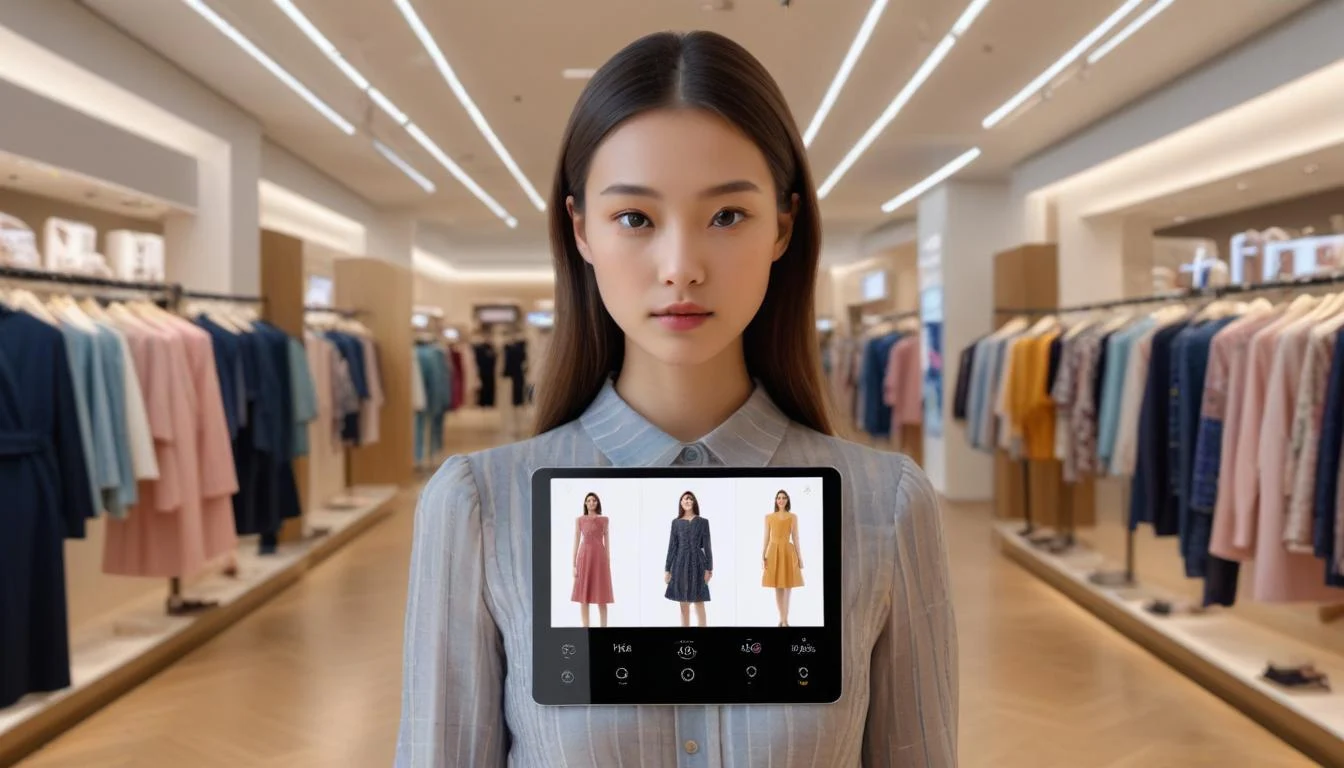
The user experience flow is simple. First, you select a product online or in-store. Next, your device camera activates. It scans your environment. The virtual item then appears on you or in your space. You can move around and see the product from angles. This happens in real time. Types of AR try-on solutions include app-based tools. Many brands offer dedicated apps. Web AR lets you try things directly through a browser link. In-store smart mirrors provide instant virtual fittings.
Game-Changing Benefits for Consumers: Shop Smarter, Live Better
Augmented Reality Shopping Try-on brings many perks for shoppers. It boosts confidence before a purchase. You can “see it before you buy it” easily. Trying on clothes or makeup happens from your home. This removes much of the guesswork.
Unmatched Convenience and Accessibility
AR try-on offers incredible ease. You can try items anytime. You can do this from anywhere. Geographic limits no longer apply. A shopper in New York can try on a dress from Paris. This global access changes how people shop. It makes shopping more inclusive. It fits into busy schedules easily.
Shopping with AR also cuts down buyer’s remorse. You know how an item looks and fits. This lowers the chance of disappointment. It also means fewer returns. Returns are a major pain point for online shoppers. The experience becomes more personal and fun. Interactive tools make shopping exciting. You can experiment with styles effortlessly. This saves a lot of time and reduces stress. No more waiting in fitting room lines. No more wondering if a product suits you. This virtual try-on technology makes shopping efficient.
Strategic Advantages for Retailers & Brands: Revolutionizing Business Growth
Retailers and brands gain significant value from AR. AR retail solutions truly transform their operations. They see higher conversion rates. When shoppers try an item, they are more likely to buy. This turns browsers into confident customers.
Boosting Sales and Reducing Costs
A key benefit is greatly lowering product returns. Customers make better choices with virtual try-on. This impacts logistics, storage, and shipping costs. Less returns also support environmental goals. It reduces waste from transport and packaging. Brands also see increased customer engagement. AR creates memorable, interactive brand moments. This helps build stronger loyalty. People enjoy novel ways to shop. They remember brands that offer such tools.
Furthermore, AR try-on gathers valuable data. Retailers learn what customers try on. They see what styles are popular. This data helps understand consumer preferences better. It informs future product development. It also helps tailor marketing efforts. Offering Augmented Reality Shopping Try-on provides a competitive edge. It helps brands stand out in a crowded market. This attracts a tech-savvy audience. It reaches a digital-first generation of shoppers. This expansion of market reach is vital for growth. Implementing Web AR shopping experience can be a low-barrier entry.
Real-World Applications & Success Stories Across Industries
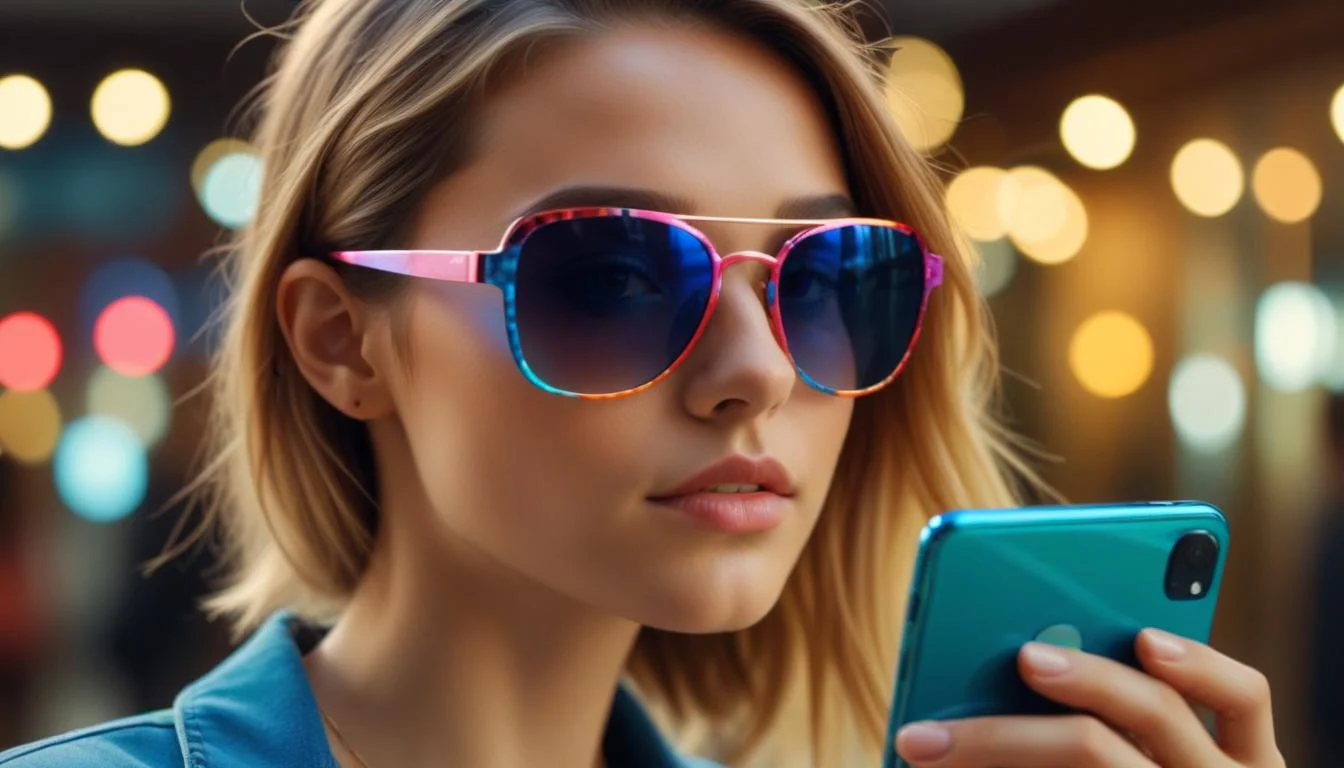
Augmented Reality Shopping Try-on is already making waves. Many industries use this innovation. Fashion brands use it for clothing and accessories. Companies like Warby Parker let you try on glasses. You see how different frames look on your face. This helps customers pick the best style confidently. Cosmetics brands offer virtual makeup try-ons. L’Oréal’s ModiFace technology lets users test shades. They can see lipstick or eyeshadow on their face. This happens without applying any actual product.
Furniture retailers also benefit. IKEA Place app allows you to place furniture. You can see how items fit in your living room. You check dimensions and aesthetics. This prevents buying furniture that is too big. Or items that just do not match the decor. Jewelry companies use AR for rings and necklaces. Shoppers can see how pieces adorn their hands or neck. This ensures satisfaction before purchase. This virtual try-on technology is versatile. It adapts to many product categories. It helps customers make informed decisions. It makes shopping more enjoyable.
The Impact of Augmented Reality Shopping Try-on
Augmented Reality Shopping Try-on is transforming how people shop. This innovative Virtual try-on technology blends digital elements into the real world. Many companies now use AR retail solutions. They help customers visualize products before they buy. This method significantly helps reduce online returns with AR. It creates an engaging Web AR shopping experience for all users.
Virtual clothing, shoes, and accessories are increasingly common. Shoppers can view how clothes look on their digital avatars. For instance, ZARA lets customers preview garments directly. Gucci even offers virtual sneakers for purchase. Warby Parker pioneered virtual eyewear fittings years ago. Their app helps customers find the perfect pair. Similarly, beauty and cosmetics brands use AR extensively. Customers can try on various makeup shades virtually. They also preview different hair colors and styles. Skincare products are visualized on their faces too. L’Oréal and Sephora provide these immersive experiences. This allows confident beauty choices from home.
Home furnishings and decor also benefit greatly. Consumers can place furniture or decor items in their actual living spaces. The IKEA Place app allows direct visualization of items. Houzz also assists users in designing rooms with virtual objects. Jewelry and eyewear brands leverage AR for virtual fittings. Shoppers see rings, necklaces, and glasses on themselves in real-time. This ensures a better fit and style match. Other innovative uses include automotive customization. Buyers can visualize different car models or features. Tattoo previews let individuals see designs on their skin. This broadens the practical reach of Augmented Reality Shopping Try-on across many sectors.
Overcoming the Hurdles in AR Try-on Adoption & Implementation
Despite its clear advantages, AR try-on faces distinct challenges. Technological limitations remain a primary concern for widespread use. The accuracy of tracking user movements can vary significantly. Latency, or delays in display, sometimes breaks the sense of immersion. Furthermore, device performance differs widely across various smartphones and tablets. These factors directly affect the overall quality of the user experience.
Data privacy and security concerns also present hurdles. AR try-on systems often handle sensitive user information. They create virtual body models for accurate fittings. Therefore, companies must protect this data with diligence. Building user trust is vital for wider adoption. Another hurdle involves the significant cost of implementation and ongoing maintenance. Small businesses might find these expenses prohibitive. Large enterprises, however, can absorb these costs more easily.
User adoption and education require focused attention. Consumers might feel skeptical initially about trying new technology. Providing clear instructions and intuitive interfaces is important. This ensures a smooth onboarding process for everyone. High-quality content creation demands substantial effort. Realistic 3D modeling of products is often time-consuming. It also requires specialized artistic and technical skills. Finally, scalability issues emerge with vast inventories. Managing a large number of detailed 3D assets becomes complex. Businesses need robust systems to handle this. Thoughtful planning is essential for successful AR retail solutions.
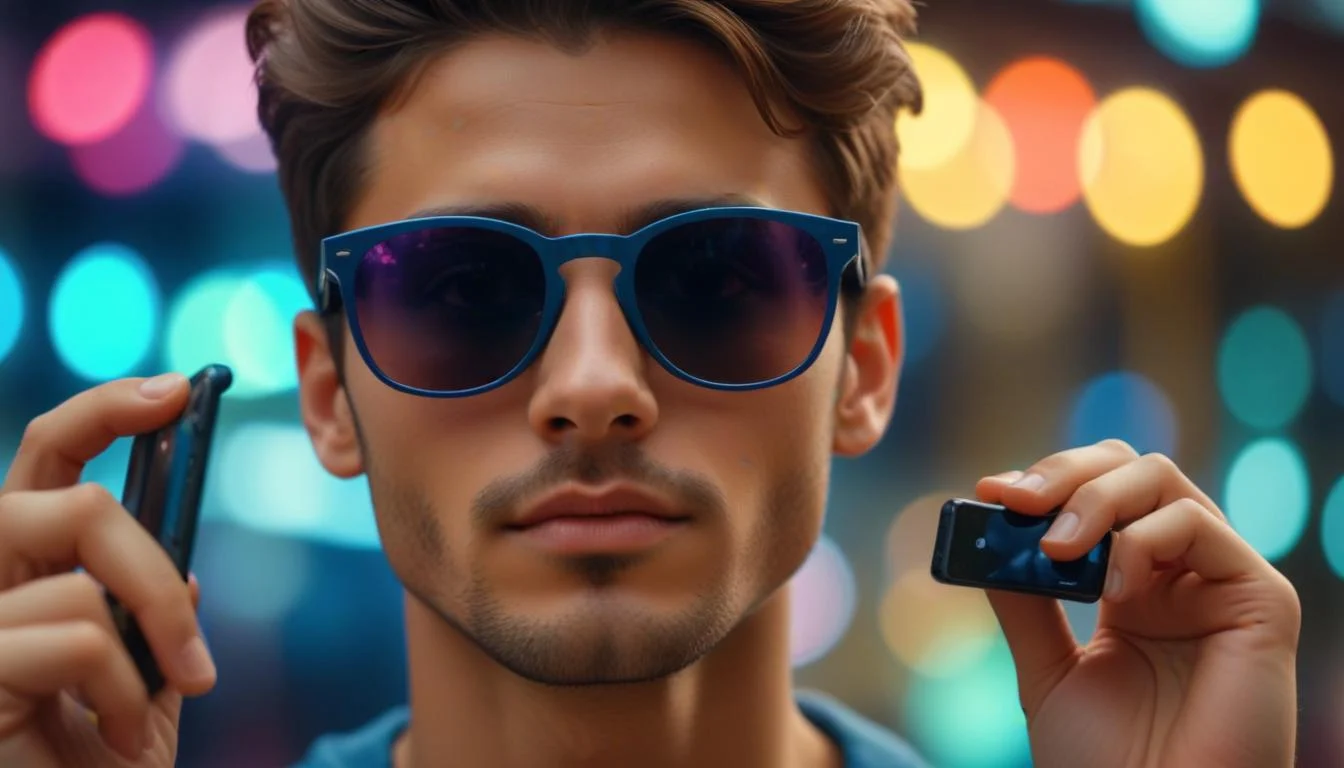
This image shows how a customer can quickly visualize products. They do this by overlaying digital items onto their physical surroundings. This interaction builds confidence in their purchase decisions.
Implementing AR Try-on: A Step-by-Step Business Guide
Businesses looking to adopt Virtual try-on technology need a structured approach. First, define very clear objectives for your project. What specific problem will AR try-on solve for your business? For example, do you aim to reduce product returns or boost customer engagement? Clear goals will guide the entire implementation process.
Next, carefully select the most suitable platform. Options include web-based AR solutions, which are easily accessible. Mobile applications offer deeper integration and advanced features. Hybrid solutions provide a balance of both. Each platform has specific pros and cons for reaching your customers. After platform selection, focus on 3D asset creation and management. Accurate and appealing virtual products are crucial for realism. High-quality models ensure realistic previews for shoppers. Manage these assets efficiently to support scalability as your product line grows.
Integration and thorough testing must follow these steps. Ensure seamless compatibility with your existing e-commerce platforms. This prevents any disruptions for your shoppers. Marketing and promotion are also vital components for success. Educate your customers about the new feature. Drive adoption through clear and engaging communication campaigns. Finally, measure performance carefully. Key performance indicators (KPIs) include conversion rates and customer satisfaction. Monitor product returns to see the direct impact of AR. Track user engagement with the try-on feature. These metrics help refine your Augmented Reality Shopping Try-on strategy continuously.
The Future Horizon for AR Shopping Try-on
The future of Augmented Reality Shopping Try-on holds exciting possibilities. Hyper-personalization will soon become a standard feature. AI integration will offer smarter product recommendations. It will also provide even more realistic and precise fittings for users. Imagine an AR system knowing your exact style preferences and body measurements.
Integration with the metaverse and Web3 is also on the horizon. This could enable cross-platform digital identities for shoppers. Virtual assets purchased in one digital space might transfer to others. For instance, a digital outfit could be worn across multiple virtual worlds. Haptic feedback will add a new dimension to these experiences. Multi-sensory interactions will go beyond just sight. Adding touch will make virtual try-ons feel much more real.
The evolution of AR hardware continues at a rapid pace. Mainstream smart glasses will become common wearables for many. Advanced wearables will offer seamless and hands-free experiences. These new devices will enhance the Web AR shopping experience significantly. Finally, ethical considerations will gain importance. AR can play a crucial role in sustainability efforts. It could help reduce waste from physical product returns. This promotes more conscious consumption practices. Therefore, AR retail solutions will continue to innovate for both users and the environment.
Conclusion: Embrace the Augmented Retail Revolution
Augmented Reality Shopping Try-on offers transformative power. It profoundly benefits both consumers and businesses alike. Shoppers gain confidence from realistic product previews. Businesses can effectively reduce online returns with AR. This technology improves the entire online retail journey significantly. It enhances trust in every purchase decision.
Virtual try-on technology is an inevitable core retail technology. Its adoption rate will only continue to accelerate across industries. Therefore, businesses should actively explore AR try-on solutions today. Consumers should embrace this innovative and exciting way of shopping. The augmented retail revolution has truly arrived.
