


 🔔 Affiliate Disclosure
This content may contain affiliate links. If you click on a link and make a purchase, we may receive a small commission — at no extra cost to you. Thank you for supporting BeatInsights! 💛
🔔 Affiliate Disclosure
This content may contain affiliate links. If you click on a link and make a purchase, we may receive a small commission — at no extra cost to you. Thank you for supporting BeatInsights! 💛
Adaptive Fashion: Inclusivity and Independence
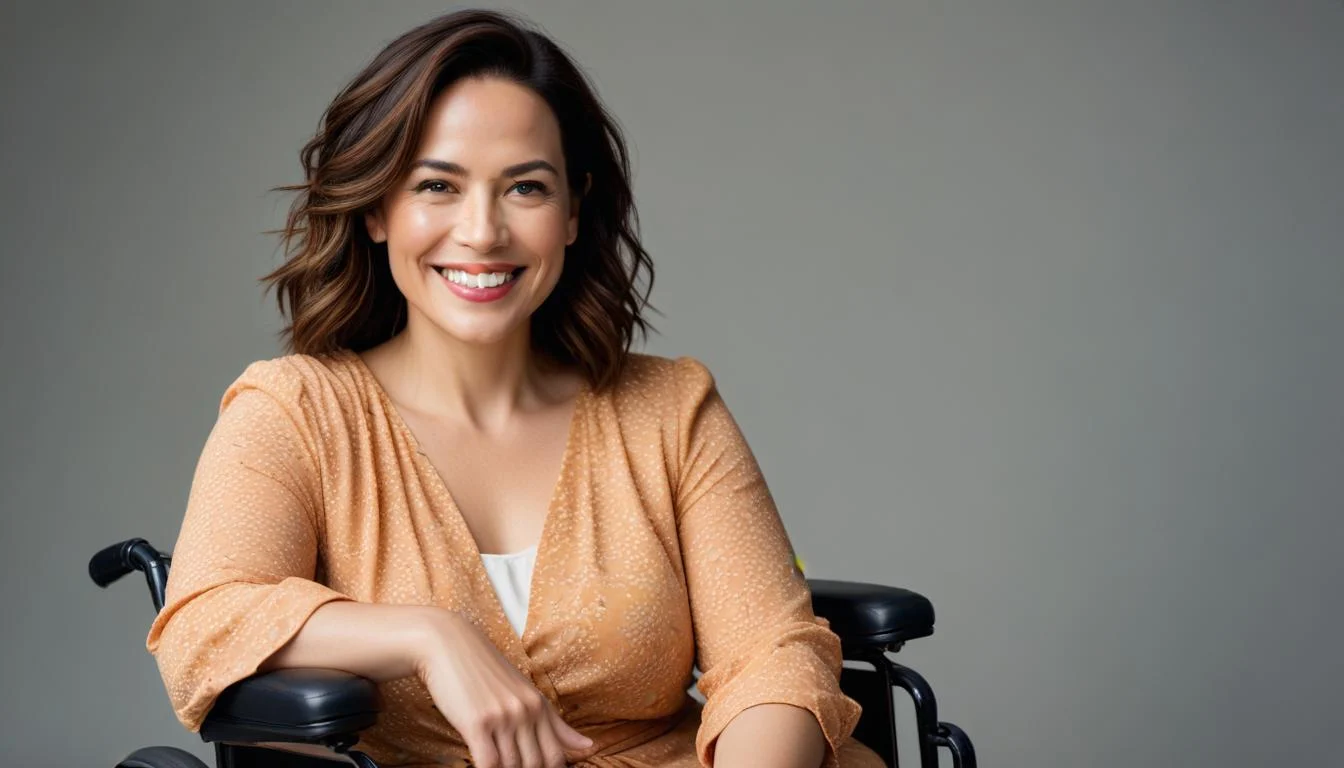
Adaptive Fashion For Disabilities, Adaptive Clothing for Limited Mobility, Sensory Friendly Clothing for Autism, Easy to Dress Clothing for Seniors and Post Surgery Clothing Solutions are transforming the apparel market. Adaptive clothing focuses on ease of use, comfort and style. It addresses the specific needs of people with disabilities. Adaptive fashion promotes independence and boosts self-esteem. The demand for these clothes keeps growing. It reflects a wider push for inclusivity. Adaptive apparel designs provide both function and dignity.
Understanding Adaptive Fashion
What is adaptive fashion? It is clothing designed for people with disabilities. The core idea is to make dressing easier. It focuses on independence and comfort. Adaptive clothing addresses various challenges. These might involve mobility, sensory issues or dexterity.
Why does adaptive fashion matter? It promotes inclusivity. It boosts independence. It improves self-esteem. Traditional clothing can pose real problems. Buttons, zippers and tight fits can be tough. Adaptive clothing removes these barriers. It allows people to dress themselves. This builds confidence and self-reliance. Adaptive designs help people take part in more activities. The adaptive fashion market is growing. More brands are paying attention. They are creating stylish adaptive options.
Who Benefits from Adaptive Fashion?
Adaptive fashion serves diverse needs. It assists many different groups.
Mobility Impairments
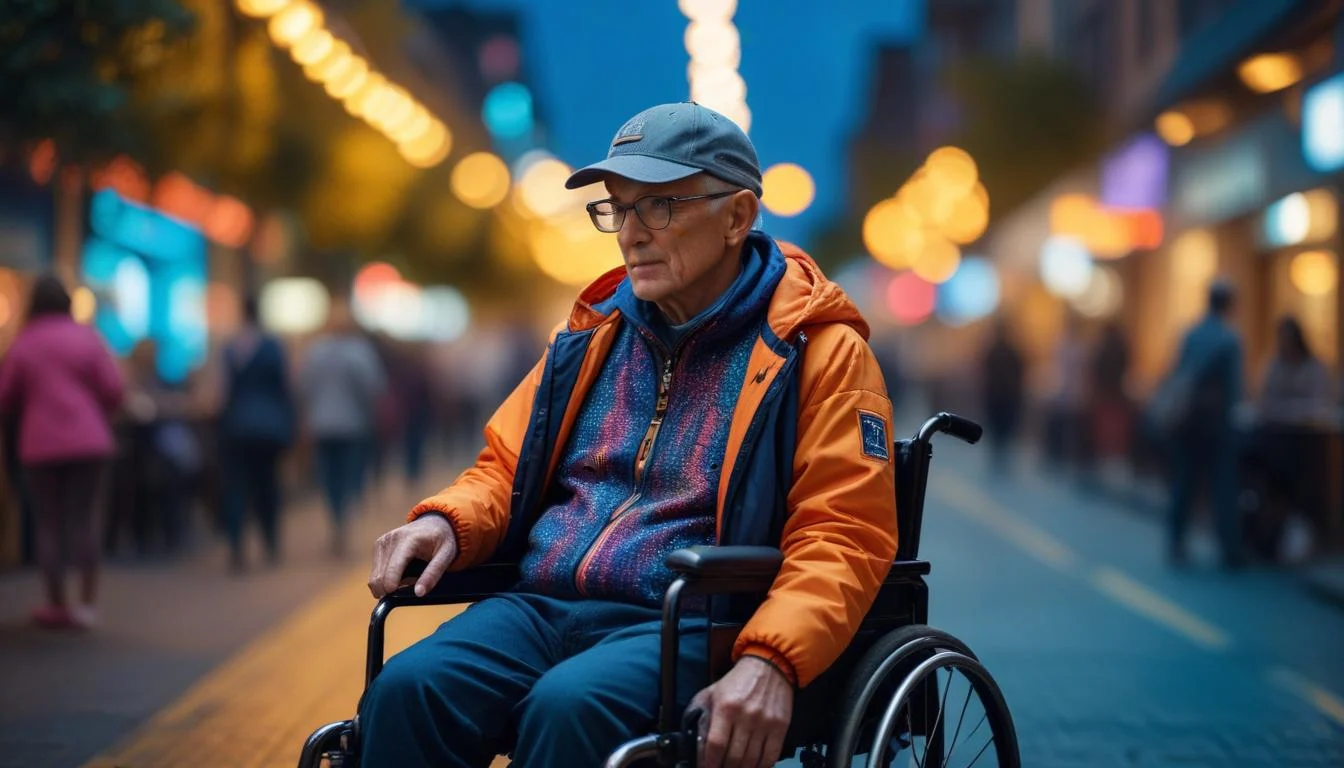
Adaptive clothing helps those using wheelchairs. It also helps those using mobility aids. People with mobility issues often face dressing challenges. Standard closures can be hard to manage. Adaptive designs use easier closures. Velcro and magnetic options simplify things. Silvert’s Adaptive Clothing offers many choices for seated comfort. Silvert’s Adaptive Clothing
Sensory Sensitivities
Those with autism benefit from adaptive designs. People with sensory processing disorder also benefit. They need tagless clothing. They also need soft fabrics. Seamless designs reduce irritation. These features make clothing more comfortable.
Dexterity Limitations
Adaptive clothing helps people with arthritis. It also aids those with Parkinson’s disease. Stroke survivors also gain from these designs. These individuals may struggle with fine motor skills. Fastening buttons can be very difficult. Adaptive closures simplify dressing. One-handed zippers are also helpful.
Other Conditions
Adaptive clothing also benefits amputees. It assists those recovering from surgery. Adaptive apparel helps people with cognitive impairments. These clothes meet specific needs. They promote independence and comfort.
Key Features of Adaptive Clothing
Adaptive designs focus on easy use and comfort. Here are some common features.
Easy Openings and Closures
Magnetic closures simplify dressing. Velcro closures are easy to use. One-handed zippers add independence. These features help people who have trouble with buttons. Tommy Hilfiger Adaptive offers stylish magnetic closures. Tommy Hilfiger Adaptive
Adjustable Waistbands and Hems
Adjustable waistbands improve comfort. They also accommodate seated positions. Adjustable hems allow for a better fit. These features adapt to varying body shapes.
Seated Fit Considerations
Adaptive clothing often has higher backs. Lower fronts improve comfort when sitting. Pockets are placed in smart locations. These designs consider the seated body shape.
Tagless Designs and Soft Fabrics
Tagless designs reduce skin irritation. Soft fabrics provide comfort. These features are important for sensory sensitivities. Many brands offer seamless sock options.
Reinforced Seams and Durable Materials
Reinforced seams increase durability. Strong materials ensure longevity. Adaptive clothes must withstand frequent washing.
Discrete Modifications
Adaptive features blend with mainstream fashion. Adaptive clothing looks stylish. People might not know it’s adaptive. This promotes inclusion and reduces stigma.
Adaptive Fashion For Disabilities has become more mainstream. People can now get Easy to Dress Clothing for Seniors in more places.
Benefits of Adaptive Clothing: Beyond Functionality
Adaptive clothing provides many advantages. These extend beyond simple function. Adaptive Clothing for Limited Mobility boosts confidence.
Increased Independence
Adaptive clothing fosters self-reliance. It reduces reliance on caregivers. People can dress themselves more easily. This improves their sense of control.
Improved Comfort
Adaptive designs enhance physical comfort. They minimize skin irritation. Adjustable features prevent pressure sores.
Enhanced Self-Esteem
Adaptive clothing promotes body positivity. It boosts self-confidence. Wearing stylish clothes improves mood. It also improves social interactions. Sensory Friendly Clothing for Autism makes life more comfortable and manageable.
Greater Participation in Social Activities
Adaptive apparel reduces barriers. It enables social engagement. People feel more confident. They are more likely to take part in events.
Reduced Caregiver Burden
Adaptive features simplify dressing. This reduces the burden on caregivers. It saves time and energy. Caregivers also experience less stress. Adaptive Fashion For Disabilities can help everyone.
Post Surgery Clothing Solutions are also a great benefit for the elderly. The benefits of Sensory Friendly Clothing for Autism cannot be overstated.
Adaptive Fashion For Disabilities, Adaptive Clothing for Limited Mobility, Sensory Friendly Clothing for Autism, Easy to Dress Clothing for Seniors, Post Surgery Clothing Solutions are transforming wardrobes. These specialized garments address unique needs. Comfort, dignity, and independence are the focus. Designs consider various physical and sensory challenges. Zippers, magnets, and stretchy fabrics simplify dressing. Adaptive fashion empowers individuals. It promotes self-esteem and participation.
Innovative Materials and Technologies
Smart fabrics elevate adaptive clothing. Temperature regulation enhances comfort. Moisture wicking keeps skin dry. Antimicrobial properties fight bacteria. 3D printing creates custom garments. Prosthetic covers can also be made. This tech allows for personalized fit. Wearable tech integrates sensors. Health monitoring becomes easier. Comfort adjustments are automated.
Sustainable fabrics are gaining use. Ethical practices guide manufacturing. Eco-friendly materials reduce impact. Emerging tech reshapes adaptive fashion. Innovation drives improved function and style. It offers greater choice.
Adaptive Fashion for Children
Children with disabilities face specific issues. Clothing can be uncomfortable or hard to manage. Adaptive features address these needs. Easy closures aid independent dressing. Adjustable lengths accommodate growth. Reinforced knees withstand active play. Several brands specialize in kids’ adaptive wear. Target and Zappos Adaptive offer options. Involving children is vital. Their input shapes ideal clothing choices. Adaptive fashion should be fun and empowering. It boosts confidence and self-expression.
Brands and Retailers in Adaptive Fashion For Disabilities
Several brands champion inclusivity. They offer diverse adaptive clothing lines. Tommy Hilfiger Adaptive is a leader. Their focus includes accessibility and innovation. Styles and prices cater to diverse needs. Land’s End also provides adaptive options.
Marketing adaptive fashion is key. Brands highlight benefits and features. They tell stories of real people. This fosters understanding and acceptance. Online and in-store resources aid finding adaptive clothing. Search terms such as “Adaptive Clothing For Limited Mobility” can also help. Finding options becomes easier. These retailers are designing Adaptive Fashion For Disabilities to solve daily problems.
The Future of Adaptive Fashion
Consumer awareness is growing. Demand for adaptive clothing increases. Collaboration becomes more common. Designers work with engineers and users. Mainstreaming adaptive fashion is a goal. It should integrate into regular retail. Tech and materials drive innovation further.
Imagine seamless, stylish adaptive options for everyone. Accessibility and comfort will define designs. The future looks brighter for Adaptive Clothing for Limited Mobility. Sensory Friendly Clothing for Autism is also evolving. More research and development could yield even greater levels of comfort and customization.
Tips for Choosing and Caring for Adaptive Clothing
Consider individual needs first. Preferences also matter greatly. Choose fabrics that are comfy and tough. Easy care fabrics simplify laundry. Pay attention to fit and adjustability. Proper fit enhances comfort and function. Follow care instructions carefully. This ensures garment longevity. Experiment to find what works best. Personal preferences guide smart choices.
Resources and Organizations Supporting Adaptive Clothing for Limited Mobility
Many organizations support adaptive fashion. The Disability Rights Education & Defense Fund promotes disability rights. Support groups offer community. Finding resources aids clothing purchases. Grants and assistance programs exist. Sensory Friendly Clothing for Autism can be found via online support groups, and organizations working to help autistic people in their communities.
Conclusion: Embracing Inclusivity and Empowerment Through Adaptive Fashion For Disabilities
Adaptive fashion is important. It promotes inclusion and empowerment. Embrace adaptive clothing solutions. They are stylish and practical. Continued innovation is vital. Adaptive Fashion For Disabilities should be promoted. Also, Adaptive Clothing for Limited Mobility should improve living conditions. Increased collaboration is vital in the adaptive fashion sector.
