


 🔔 Affiliate Disclosure
This content may contain affiliate links. If you click on a link and make a purchase, we may receive a small commission — at no extra cost to you. Thank you for supporting BeatInsights! 💛
🔔 Affiliate Disclosure
This content may contain affiliate links. If you click on a link and make a purchase, we may receive a small commission — at no extra cost to you. Thank you for supporting BeatInsights! 💛
Have you ever taken a sip of your favorite ice-cold beverage or bit into a delicious hot pie only to be met with a sudden, sharp pain in your teeth? This unpleasant sensation is often a sign of tooth sensitivity, also known as dentin hypersensitivity. It’s a common dental problem characterized by a brief but intense pain triggered by various stimuli. This article aims to explore the common causes of tooth sensitivity, providing insight into Relief for sensitive teeth causes and treatment, along with solutions for effective relief and prevention. While often manageable, sudden tooth sensitivity can sometimes indicate a more serious underlying dental issue, highlighting the importance of understanding its roots and seeking professional dental advice when needed. Understanding the various Tooth sensitivity causes and prevention tips is crucial for maintaining optimal oral health. Many people want to know Treating tooth sensitivity after whitening, Sudden tooth sensitivity causes and remedies, and Why Is My Tooth Sensitive, and we will delve into these aspects as well.
Understanding Tooth Anatomy
To understand Why Is My Tooth Sensitive, it’s important to understand tooth anatomy. A tooth comprises several layers each serving a specific purpose.
The Enamel Layer
The outermost layer, enamel, is the hardest substance in the human body. Its primary role is to protect the underlying layers of the tooth from physical and chemical damage. However, enamel can erode over time due to various factors, like acidic foods or aggressive brushing, leaving the tooth vulnerable and contributing to sensitivity. Enamel erosion is a significant factor in the Sudden tooth sensitivity causes and remedies.
Dentin and Tubules
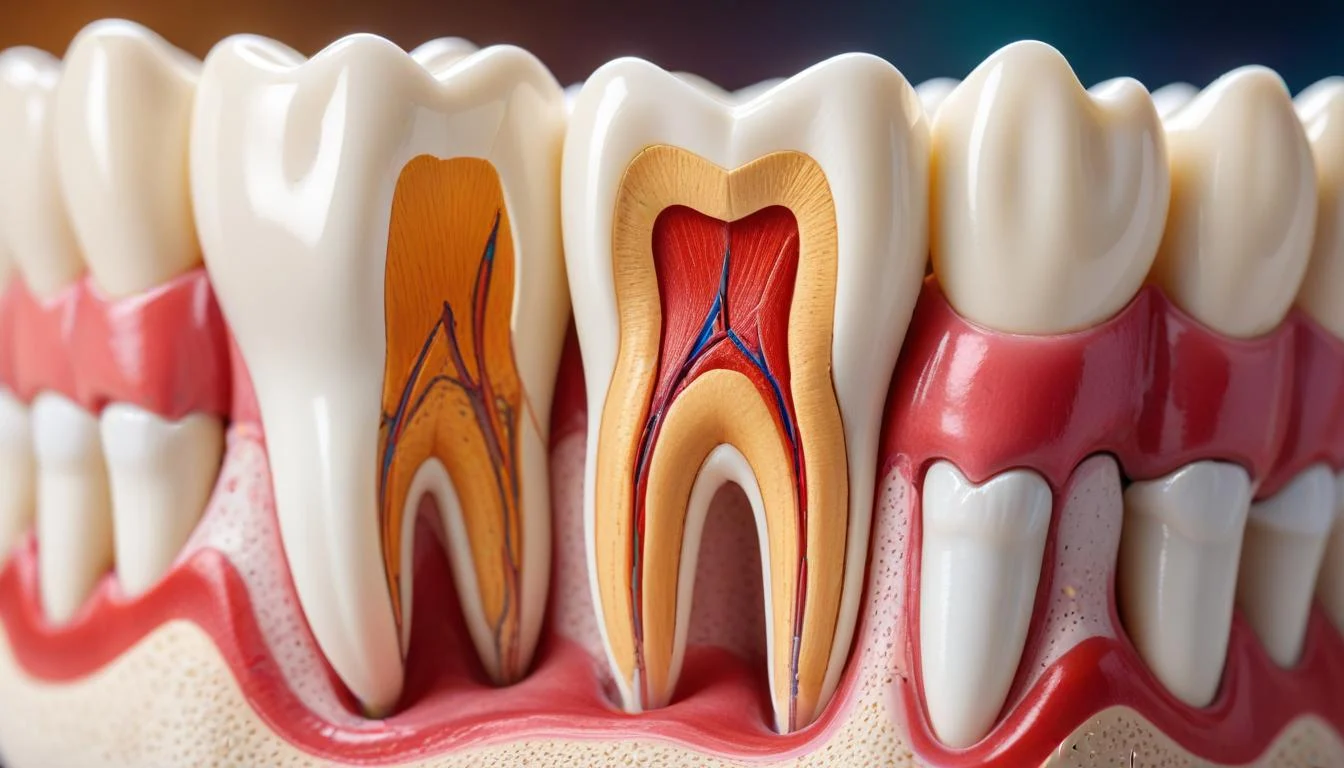
Beneath the enamel lies dentin, a porous tissue containing microscopic tubules that lead directly to the pulp, which houses the tooth’s nerve. When enamel erodes and dentin becomes exposed, these tubules provide a direct pathway for hot, cold, sweet, or acidic stimuli to reach the nerve, resulting in the sharp pain characteristic of tooth sensitivity. The dentinal tubules play a pivotal role in Tooth sensitivity causes and prevention tips.
The Pulp
The pulp is the innermost layer of the tooth, containing nerves, blood vessels, and connective tissue. It is responsible for nourishing the tooth and transmitting sensations. When the dentin is exposed, the pulp becomes more susceptible to irritation, leading to increased sensitivity. The health of the pulp is crucial in understanding Why Is My Tooth Sensitive.
The Cementum
Cementum covers the root of the tooth. Similarly to enamel, it protects the underlying dentin. Gum recession, often due to periodontal disease or aggressive brushing, can expose the cementum and subsequently the dentin, leading to sensitivity. Proper oral hygiene is essential to prevent gum recession and maintain cementum integrity, contributing to effective Relief for sensitive teeth causes and treatment.
Common Causes of Tooth Sensitivity
Several factors can contribute to the development of tooth sensitivity. Common culprits include enamel erosion and gum recession.
Enamel Erosion
Enamel erosion weakens the protective outer layer of the teeth, exposing the underlying dentin and increasing sensitivity.
Aggressive Brushing
Brushing too hard or using a hard-bristled toothbrush can gradually wear down enamel, especially near the gum line. This is a common mistake that many people make. Therefore, it is always advisable to use a soft-bristled brush and gentle circular motions when brushing. American Dental Association also recommends using the correct tool and technique for brushing.
Acidic Foods and Drinks
Frequent consumption of acidic foods and drinks, such as citrus fruits, sodas, and wine, can erode enamel over time. These acids weaken the enamel, making it more susceptible to damage. Moderation is key when it comes to these types of food and beverages.
Teeth Grinding (Bruxism)
Teeth grinding, also known as bruxism, involves clenching or grinding your teeth, often unconsciously, particularly during sleep. This habit can wear away enamel, leading to sensitivity. A mouthguard can help protect your teeth if you grind them at night.

Acid Reflux (GERD)
Acid reflux, or gastroesophageal reflux disease (GERD), can cause stomach acid to flow back into the mouth, eroding enamel. Managing acid reflux through diet and lifestyle changes is important for protecting your teeth.
Gum Recession
Gum recession exposes the root surfaces of the teeth, which are not protected by enamel and are therefore more sensitive.
Periodontal Disease (Gum Disease)
Periodontal disease, or gum disease, is an infection of the gums that can cause them to recede, exposing the tooth roots. Proper oral hygiene and regular dental cleanings are crucial for preventing and managing gum disease, and finding effective Relief for sensitive teeth causes and treatment.
Aggressive Brushing (Again)
As mentioned earlier, aggressive brushing not only wears down enamel but can also contribute to gum recession, further exacerbating tooth sensitivity. Again, using a soft-bristled toothbrush and gentle brushing techniques can help prevent gum recession.
Genetics
In some cases, genetics can play a role in gum recession, making some individuals more prone to developing this condition. However, even with a genetic predisposition, proper oral hygiene can help minimize the risk.
Other Potential Causes of Tooth Sensitivity
Besides enamel erosion and gum recession, various other factors can contribute to tooth sensitivity.
Tooth Decay (Cavities)
Cavities are a common cause of tooth sensitivity. As tooth decay progresses, it can expose the dentin and nerve, leading to increased sensitivity.
Explain how cavities expose the dentin and nerve
Tooth decay eats away at the enamel creating holes or pits that reach to the dentin layer. Once bacteria infect and damage the dentin, the pulp becomes even more vulnerable.
Emphasize the importance of regular dental checkups for early detection
Regular dental checkups are essential for early detection and treatment of cavities, preventing further damage and sensitivity. Dentists at American Dental Association can identify and address cavities before they cause significant pain and sensitivity.
Cracked or Chipped Teeth
Cracked or chipped teeth can also cause sensitivity, as these cracks can extend to the dentin and pulp, allowing stimuli to reach the nerve.
Explain how cracks can extend to the dentin and pulp, causing sensitivity
Cracks can weaken tooth structure allowing external stimuli to bypass the protection of the enamel and directly affect the nerves within the tooth.
Discuss causes of cracks (biting hard objects, trauma)
Cracks can occur due to biting hard objects, such as ice or hard candy, or as a result of trauma, such as a blow to the mouth. In addition, Delta Dental discusses that extreme temperatures can cause cracking of tooth.
Recent Dental Work
Sensitivity is sometimes normal after dental procedures, such as fillings, crowns, or teeth whitening.
Explain that sensitivity is sometimes normal after procedures like fillings, crowns, or teeth whitening
These procedures can temporarily irritate the tooth’s nerve, leading to sensitivity. This is because the instruments used in these procedures causes stress on the nerves.
Mention that sensitivity should subside within a few weeks
Typically, sensitivity after dental work should subside within a few weeks. If the sensitivity persists, it’s important to consult your dentist.
Teeth Whitening
Some teeth whitening products contain chemicals that can temporarily increase tooth sensitivity. It is always a good idea to find Treating tooth sensitivity after whitening.
Explain that Teeth whitening product can lead to sensitivity
Whitening agents, such as hydrogen peroxide, can penetrate the enamel and irritate the nerve, causing temporary sensitivity.
Emphasize to use a dentist approved product
Using dentist-approved whitening products and following instructions carefully can minimize the risk of sensitivity.
Sinus Infections
Sinus congestion can put pressure on the roots of upper teeth, resulting in sensitivity.
Cold Weather
Cold air can also trigger tooth sensitivity, particularly if the dentin is exposed.
Symptoms of Tooth Sensitivity
The primary symptom of tooth sensitivity is a sharp, sudden pain in the teeth.
- Triggers include: hot, cold, sweet, or acidic foods/drinks; cold air; brushing.
- The pain is usually temporary, lasting only a few seconds.
- Severe, persistent pain could indicate a more serious problem, requiring immediate dental attention. Therefore, you should schedule an appointment with your dentist.
Diagnosing Tooth Sensitivity
A dental exam is essential for diagnosing tooth sensitivity and identifying the underlying cause. A dentist can evaluate your teeth and gums, take X-rays if necessary, and recommend appropriate treatment options. This is vital to Why Is My Tooth Sensitive.
During an exam, the dentist will look for signs of enamel erosion, gum recession, cavities, cracks, or other dental problems that could be causing sensitivity. The evaluation will include a thorough review of your medical and dental history, as well as a clinical examination. Furthermore, professional dental advice can provide Relief for sensitive teeth causes and treatment.
Are you experiencing that sharp, fleeting pain when you eat ice cream or sip hot coffee? This could be tooth sensitivity, a common dental issue affecting millions. But “Why Is My Tooth Sensitive”? Understanding the causes, symptoms, and effective treatments is crucial for managing this discomfort. We’ll explore the various factors contributing to tooth sensitivity, from enamel erosion to gum recession, and provide practical solutions to alleviate pain and prevent future problems. We will be covering the 4 keyphrases, “Why Is My Tooth Sensitive,1. Relief for sensitive teeth causes and treatment,2. Tooth sensitivity causes and prevention tips,3. Treating tooth sensitivity after whitening,4. Sudden tooth sensitivity causes and remedies” by highlighting the causes and ways to prevent and relieve tooth sensitivity. In addition, we will also be exploring various reasons “Why Is My Tooth Sensitive”.
Understanding Tooth Sensitivity
Tooth sensitivity, also known as dentin hypersensitivity, occurs when the dentin layer of your tooth becomes exposed. This layer contains microscopic tubules that lead directly to the tooth’s nerve. When these tubules are exposed, hot, cold, sweet, or acidic substances can stimulate the nerve, resulting in a sharp pain. Several factors can contribute to dentin exposure.
Comprehensive Dental Examination
A thorough dental exam is the first step in determining “Why Is My Tooth Sensitive”. This examination involves several key components.
- Visual Examination: Your dentist will carefully inspect your teeth for visible signs of cavities, cracks, and chips. They’ll also assess the condition of your gums, looking for signs of recession, inflammation, or disease. Gum recession exposes the roots of the teeth, which are more sensitive than the enamel-covered crowns.
-
Dental History: Your dentist will ask about your symptoms, when they started, and what seems to trigger them. They’ll also inquire about your oral hygiene habits, diet, and any past dental treatments. This information helps them understand the potential causes of your tooth sensitivity.
-
Diagnostic Tests: X-rays may be necessary to rule out other underlying problems, such as tooth decay, infections, or impacted teeth. These tests provide a more detailed view of your teeth and surrounding structures.
Factors Affecting Tooth Sensitivity
Understanding the root causes of sensitivity helps in choosing the right treatments.
- Enamel Erosion: The enamel is the hard, protective outer layer of your teeth. Acidic foods and drinks, teeth grinding (bruxism), and aggressive brushing can erode enamel, exposing the underlying dentin.
- Gum Recession: As gums recede, the roots of the teeth become exposed. The roots lack enamel and are therefore more susceptible to sensitivity. Gum disease, aggressive brushing, and genetics can contribute to gum recession.
- Tooth Decay and Cracks: Cavities and cracks in teeth can expose the dentin and allow irritants to reach the nerve.
- Dental Procedures: Teeth whitening, professional cleanings, and other dental procedures can temporarily increase tooth sensitivity.
Relief and Treatment Options
Several options are available to alleviate tooth sensitivity, ranging from over-the-counter remedies to professional dental treatments. Identifying the cause is crucial for selecting the most effective approach in providing “Relief for sensitive teeth causes and treatment”.
Over-the-Counter Solutions
These remedies can often provide temporary relief from mild to moderate tooth sensitivity.
- Desensitizing Toothpaste: These toothpastes contain ingredients like potassium nitrate or stannous fluoride, which help block the tubules in the dentin, reducing nerve stimulation. For example, Sensodyne Sensodyne and Colgate Sensitive Colgate Sensitive are popular options.
- Soft-Bristled Toothbrush: Using a soft-bristled toothbrush and gentle brushing techniques can help prevent further enamel erosion and gum recession.
- Fluoride Mouthwash: Fluoride strengthens enamel and helps protect against acid attacks. ACT Fluoride Rinse ACT Fluoride Rinse is a readily available option.
Professional Treatments
For more persistent or severe sensitivity, professional dental treatments may be necessary. The dentist will have to determine “Treating tooth sensitivity after whitening” or other treatments.
- Fluoride Varnish: A concentrated fluoride treatment applied to the teeth to strengthen enamel and reduce sensitivity.
- Dentin Sealers: These sealers block dentinal tubules, preventing irritants from reaching the nerve.
- Bonding: Bonding involves applying a tooth-colored resin to cover exposed roots and protect them from sensitivity.
- Gum Grafting: This procedure restores receded gums by transplanting tissue from another area of the mouth to cover the exposed roots.
- Root Canal: In severe cases where sensitivity is caused by inflammation or infection of the pulp (the inner part of the tooth containing nerves and blood vessels), a root canal may be necessary.
Home Remedies
In addition to over-the-counter and professional treatments, some home remedies can provide relief.
- Salt Water Rinse: Rinsing with warm salt water can help reduce inflammation and soothe sensitive gums.
- Turmeric: Turmeric has anti-inflammatory properties and may help reduce sensitivity. You can mix turmeric powder with water to create a paste and apply it to sensitive areas.
- Clove: Clove oil has analgesic properties and can provide temporary relief from tooth pain. Apply a small amount of clove oil to a cotton ball and place it on the sensitive area.
- Aloe Vera: Aloe vera has soothing and anti-inflammatory properties that can help reduce gum inflammation and sensitivity. Apply aloe vera gel to the affected area.
Lifestyle Changes
Certain lifestyle changes can also help manage and prevent tooth sensitivity.
- Dietary Changes: Limit acidic foods and drinks such as citrus fruits, soda, and energy drinks, as they can erode enamel.
- Proper Brushing Technique: Use a soft-bristled toothbrush and gentle, circular motions to avoid damaging enamel and gums.
- Mouth Guard: If you grind your teeth at night, wearing a mouth guard can protect your teeth from the damaging effects of bruxism. You can purchase an over-the-counter mouth guard like the Doctor’s NightGuard Doctor’s NightGuard or have a custom-fitted one made by your dentist.
- Address Underlying Medical Conditions: Conditions like GERD (gastroesophageal reflux disease) can cause acid reflux, which can erode tooth enamel. Managing GERD can help protect your teeth.
Prevention Strategies
Preventing tooth sensitivity is often easier than treating it. Implementing a consistent oral hygiene routine and making certain lifestyle changes can significantly reduce your risk of developing sensitivity and help with “Tooth sensitivity causes and prevention tips”.
- Oral Hygiene Routine: Brush your teeth twice daily with fluoride toothpaste and floss daily to remove plaque and bacteria.
- Proper Brushing Technique: Use a soft-bristled toothbrush and gentle, circular motions to avoid damaging enamel and gums.
- Limit Acidic Foods and Drinks: Moderation is key when it comes to acidic foods and drinks. Rinse your mouth with water after consuming them.
- Use Fluoride Toothpaste and Mouthwash: Fluoride strengthens enamel and helps protect against acid attacks.
- Regular Dental Checkups: Visit your dentist for regular checkups and cleanings to detect and address any problems early on.
- Mouthguard for Bruxism: Protect your teeth from grinding by wearing a mouthguard at night.
- Manage GERD: Prevent acid erosion by managing GERD with medication and lifestyle changes.
- Avoid Tobacco: Tobacco use can contribute to gum recession and other oral health problems.
When to See a Dentist
While over-the-counter remedies and lifestyle changes can often manage mild tooth sensitivity, it’s important to see a dentist in certain situations. Always seek help when addressing “Sudden tooth sensitivity causes and remedies”.
- Sensitivity that is severe or persistent.
- Sensitivity that doesn’t improve with over-the-counter treatments.
- Sensitivity accompanied by other symptoms like bleeding gums or swelling.
- Sudden or unexplained tooth sensitivity.
- Regular dental check-ups are important for maintaining oral health.
Conclusion
In summary, tooth sensitivity can arise from various factors, including enamel erosion, gum recession, tooth decay, and dental procedures. Proper oral hygiene practices, such as brushing twice daily with fluoride toothpaste and flossing daily, are essential for prevention. Additionally, limiting acidic foods and drinks, using a soft-bristled toothbrush, and addressing underlying medical conditions like GERD can further reduce the risk of developing sensitivity. Regular dental visits are crucial for early detection and treatment of any potential problems. By taking proactive steps to prevent and manage tooth sensitivity, you can enjoy a healthier, more comfortable smile and avoid the unpleasant zing of pain.
