


 🔔 Affiliate Disclosure
This content may contain affiliate links. If you click on a link and make a purchase, we may receive a small commission — at no extra cost to you. Thank you for supporting BeatInsights! 💛
🔔 Affiliate Disclosure
This content may contain affiliate links. If you click on a link and make a purchase, we may receive a small commission — at no extra cost to you. Thank you for supporting BeatInsights! 💛
Did you know that McDonald’s serves approximately 69 million customers every day across the globe? This staggering statistic underscores the unparalleled reach and influence of a brand that has become synonymous with fast food itself. From its humble beginnings to its current status as a global giant, McDonald’s, often affectionately referred to as Mickey D’s, has indelibly shaped the culinary landscape and business world. This article will delve into McDonald’s history and future trends, the McDonald’s franchise success factors, explore McDonald’s menu evolution and global adaptations, and analyze McDonald’s controversies and sustainability efforts, revealing the complex and compelling story behind the Golden Arches. We will examine not just the burgers and fries but also the business strategies, cultural impact, and challenges that have defined this iconic brand.
A Taste of History: The McDonald’s Origin Story
From Barbecue to Burgers: The McDonald Brothers’ Vision
The story of McDonald’s begins not with Ray Kroc but with Richard and Maurice McDonald. In 1940, they opened a barbecue restaurant in San Bernardino California. However, they soon realized that their biggest profits came from hamburgers. Therefore, they streamlined their operations in 1948 to focus exclusively on burgers, fries, and shakes. This shift led to the creation of the “Speedee Service System,” a revolutionary approach that emphasized efficiency and speed. By simplifying the menu and utilizing assembly-line production, the McDonald brothers were able to deliver food faster and cheaper than any of their competitors.
Ray Kroc and the Franchise Revolution
Ray Kroc, a milkshake machine salesman, visited the McDonald brothers’ restaurant in 1954 and was immediately impressed by their efficient operation. Recognizing the potential for a nationwide chain, Kroc partnered with the brothers and, in 1955, launched McDonald’s System Inc., later renamed McDonald’s Corporation. His vision extended far beyond a single restaurant; he envisioned a network of franchised locations, each adhering to the same standards of quality and service. The first McDonald’s franchise opened in Des Plaines Illinois, marking a pivotal moment in the company’s history.
Key milestones during this period included the standardization of processes across all franchise locations. Kroc meticulously documented every aspect of the operation, from cooking procedures to customer service protocols. This commitment to consistency became a hallmark of the McDonald’s brand.
McDonald’s Corporate Website
The Secret Sauce of Success: Key Factors Behind McDonald’s Dominance
Standardized Operations & Efficiency
The Speedee Service System was more than just a production line; it was a philosophy. Every step, from grilling burgers to assembling fries, was carefully timed and optimized for maximum efficiency. This system not only reduced wait times for customers but also ensured consistency in product quality across all locations. Moreover, standardized operations meant that employees could be easily trained and quickly integrated into the system, further contributing to efficiency. Mickey D’s was built on streamlined execution.
Strategic Franchising & Global Expansion
The franchising model proved to be a masterstroke. It allowed McDonald’s to expand rapidly without incurring the financial burden of owning and operating each restaurant. Franchisees invested their own capital and were responsible for managing their individual locations. This created a powerful incentive for them to maintain high standards and maximize profitability. As a result, McDonald’s was able to penetrate new markets quickly and efficiently. Additionally, the franchise model fostered a sense of local ownership while maintaining brand consistency. McDonald’s franchise success factors is a major contributor to its popularity.
Marketing Mastery & Brand Building
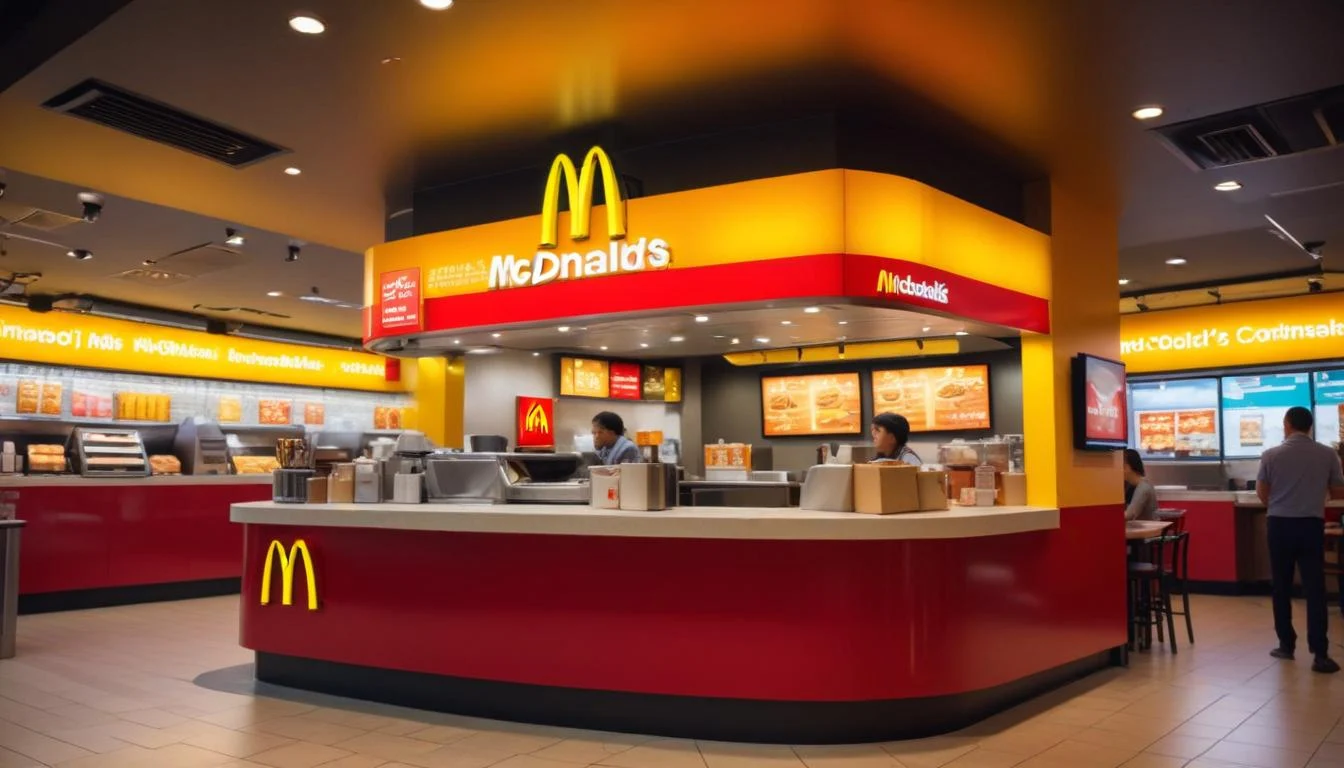
McDonald’s invested heavily in marketing and brand building from the very beginning. The Golden Arches became an instantly recognizable symbol of fast food, and characters like Ronald McDonald became cultural icons. Effective marketing campaigns such as the Happy Meal targeting children helped to cultivate brand loyalty from a young age. McDonald’s also leveraged celebrity endorsements and sponsorships to further enhance its brand image. In addition, their marketing strategies were carefully tailored to resonate with local cultures and preferences in different markets around the world. The history of McDonald’s marketing is as rich as its burger.
Real Estate Acumen
Ray Kroc understood that real estate was a critical component of McDonald’s success. He acquired prime locations for his restaurants, often purchasing the land outright rather than leasing it. This strategy provided McDonald’s with a valuable asset base and allowed the company to control its long-term costs. Furthermore, owning the real estate gave McDonald’s significant leverage in negotiating franchise agreements and maintaining brand standards. The value of McDonald’s real estate holdings continues to be a significant factor in its overall financial strength.
Navigating the Controversy: Challenges and Criticisms Faced by McDonald’s
Health Concerns & Nutritional Value
McDonald’s has faced persistent criticism regarding the nutritional content of its menu items. Many of its offerings are high in calories fat and sodium, which have been linked to obesity heart disease and other health problems. Concerns about the impact of fast food on public health have led to calls for McDonald’s to offer healthier options and improve the transparency of its nutritional information. Furthermore, public awareness campaigns have highlighted the potential risks associated with frequent consumption of McDonald’s products. McDonald’s menu evolution and global adaptations have been influenced by these concerns.
Labor Practices & Employee Treatment
McDonald’s has also been subject to scrutiny regarding its labor practices. Issues such as low wages, limited benefits, and challenging working conditions have been raised by employees and labor advocates. Unionization efforts at some McDonald’s locations have sought to improve wages and working conditions, but the company has generally resisted these efforts. Moreover, concerns about fair labor practices have prompted calls for McDonald’s to invest in its employees and provide them with better opportunities for advancement. Mickey D’s has often been at the center of these debates.
Environmental Impact & Sustainability
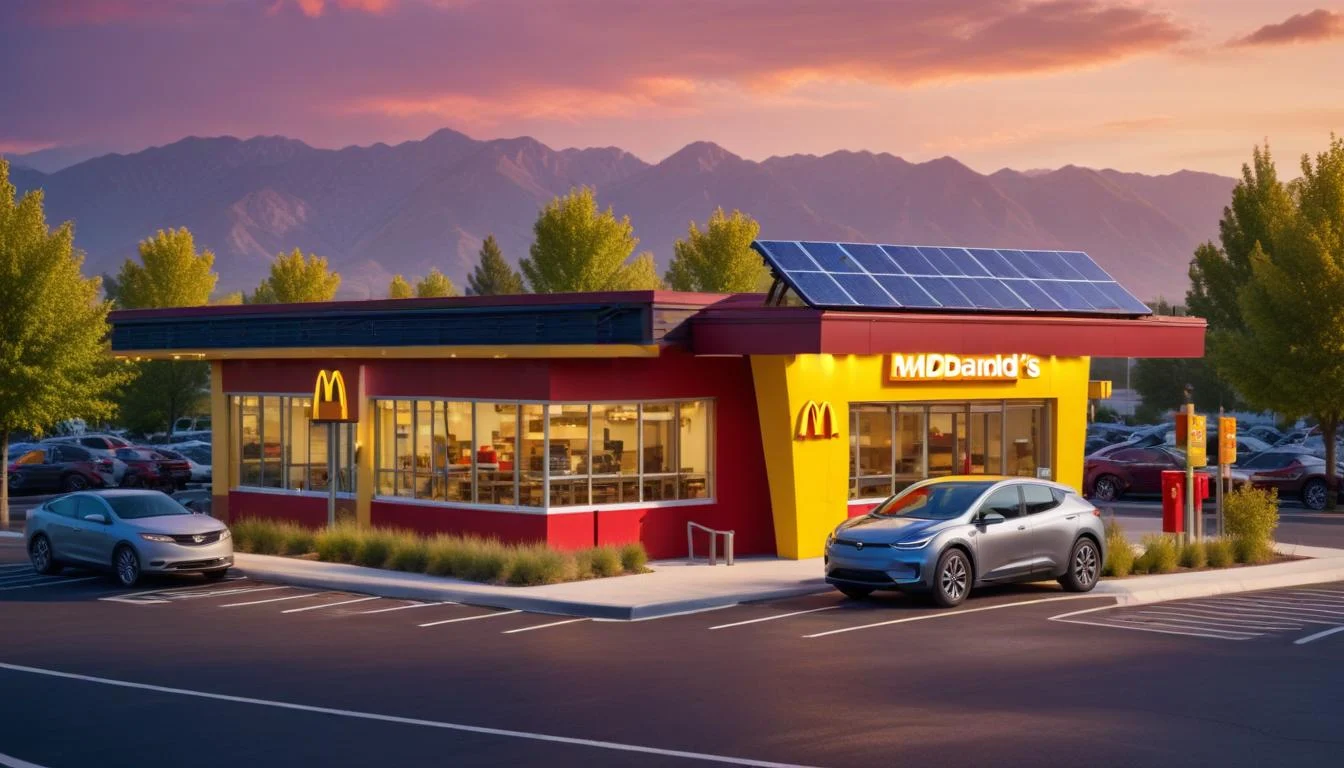
The environmental impact of McDonald’s operations has also come under increasing scrutiny. Concerns about deforestation related to cattle ranching, packaging waste, and the company’s carbon footprint have led to calls for greater sustainability efforts. McDonald’s has taken some steps to address these concerns such as reducing packaging waste and sourcing sustainable ingredients. However critics argue that more needs to be done to mitigate the company’s environmental impact. McDonald’s controversies and sustainability efforts are ongoing issues. World Resources Institute
One of the most recognizable brands globally, McDonald’s has cemented its place in history and continues to evolve. This article will delve into the McDonald’s history and future trends including how Mickey D’s became a fast-food empire. We’ll explore the McDonald’s menu evolution and global adaptations, examining how the company has diversified its offerings to cater to changing tastes. Furthermore, we will discuss McDonald’s controversies and sustainability efforts, considering the environmental and social impact of the company. Moreover, we will explore the McDonald’s franchise success factors that made this company so big. From its humble beginnings to its technological advancements, we will assess its key decisions, which has positioned them as a fast-food leader.
Menu Evolution: More Than Just Big Macs
McDonald’s is no longer just about burgers and fries; it’s a reflection of changing consumer demands and global tastes, reflecting its continued relevance in a competitive market. The company’s ability to adapt its menu while retaining core classics is a testament to its success.
The Classics: Big Mac, Fries, and Happy Meals
The Big Mac, french fries, and Happy Meals are undoubtedly iconic menu items that have contributed to McDonald’s enduring popularity. These classics represent the foundation upon which the company built its empire. Generations have grown up with these familiar tastes, creating a sense of nostalgia and comfort. Moreover, their consistent quality and availability across numerous locations have solidified their place in popular culture. The Big Mac’s unique sauce and layered construction, the perfectly salted fries, and the fun-filled Happy Meals have all become synonymous with the Mickey D’s experience, therefore, they are considered iconic menu items.
Adapting to Changing Tastes: New Menu Innovations
McDonald’s has demonstrably adapted its menu to cater to evolving consumer preferences, showcasing its flexibility and market awareness. Recognizing the increasing demand for healthier options, they have introduced salads, wraps, and fruit options. The introduction of McCafé, offering a range of specialty coffee drinks and pastries, has further broadened their appeal. Additionally, limited-time offers and seasonal items keep the menu fresh and exciting. These innovations are clearly designed to attract new customers and retain existing ones, thereby demonstrating McDonald’s commitment to staying relevant in a dynamic food industry. The menu is no longer limited to just hamburgers and is adapting to stay competitive.
Global Menu Variations: A Taste of Local Flavors
One of the most fascinating aspects of McDonald’s menu evolution and global adaptations is the unique menu items offered in different countries. These variations are tailored to cater to local tastes and preferences, showcasing the company’s understanding of cultural nuances. For instance, in India, you might find the McAloo Tikki Burger, a potato-based patty, or in Japan, the Teriyaki McBurger. Similarly, in some European countries, beer might be offered alongside the standard menu.
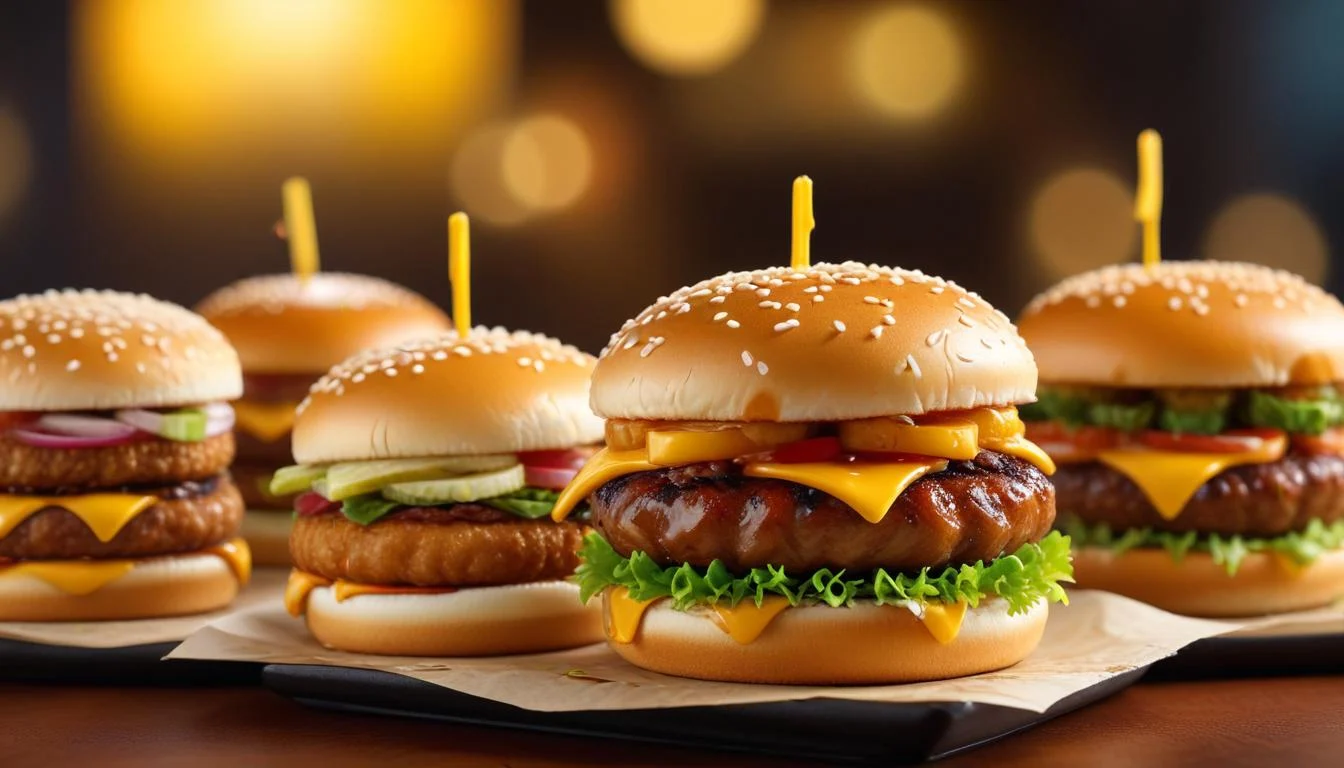
These regional adaptations not only cater to local palates but also demonstrate McDonald’s commitment to integrating into the communities it serves.
Technology and Innovation: McDonald’s in the Digital Age
Technology has revolutionized the fast-food industry, and McDonald’s has been at the forefront of these changes. The company is actively investing in digital solutions to enhance the customer experience and streamline operations.
Self-Ordering Kiosks & Digital Ordering
The implementation of self-ordering kiosks has significantly impacted the customer experience at McDonald’s. These kiosks allow customers to browse the menu at their own pace, customize their orders, and pay electronically. This can lead to reduced wait times and increased order accuracy. In addition, kiosks can free up employees to focus on other tasks, such as preparing food and assisting customers who prefer human interaction. Therefore, the self-ordering kiosks are a key part of the modern McDonald’s experience.
Mobile App & Loyalty Programs
The McDonald’s app plays a crucial role in ordering, loyalty programs, and personalized offers. Customers can use the app to place orders ahead of time, earn points for every purchase, and redeem those points for free food and discounts. Furthermore, the app provides personalized offers based on past orders and preferences, incentivizing repeat business. This data-driven approach allows McDonald’s to target customers with relevant promotions, therefore, building brand loyalty and driving sales. More information can be found on the McDonald’s website: McDonald’s Mobile Order & Pay
Drive-Thru Innovation and Automation
McDonald’s is constantly seeking to optimize and automate the drive-thru experience. Innovations such as digital menu boards, order confirmation screens, and improved communication systems are designed to speed up the process and reduce errors. Furthermore, the company is exploring the use of artificial intelligence and machine learning to personalize the drive-thru experience and optimize staffing levels. These efforts are focused on enhancing convenience and efficiency, making the drive-thru even more appealing to busy customers.
The Future of McDonald’s: Trends and Predictions
The future of McDonald’s will be shaped by a variety of factors, including sustainability concerns, evolving consumer preferences, and technological advancements. The company is already taking steps to address these challenges and capitalize on emerging opportunities.
Sustainability Initiatives & Plant-Based Options
McDonald’s controversies and sustainability efforts are becoming increasingly important. The company is working to improve its environmental footprint through various initiatives, such as reducing waste, using sustainable packaging, and sourcing ingredients responsibly. In addition, Mickey D’s has introduced plant-based options, such as the McPlant burger, to cater to the growing demand for vegetarian and vegan alternatives. These efforts are aimed at reducing the company’s environmental impact and attracting environmentally conscious consumers.
Delivery & Convenience: Expanding Reach
Delivery services and partnerships with companies like Uber Eats and DoorDash are playing an increasingly important role in McDonald’s business model. These partnerships allow the company to reach customers who may not be able to visit a physical location, expanding its reach and increasing sales. Furthermore, the convenience of delivery appeals to busy consumers who are looking for quick and easy meal options. Therefore, McDonald’s is investing heavily in delivery infrastructure and technology to meet the growing demand.
Personalization & Data-Driven Marketing
McDonald’s is increasingly using data and technology to personalize the customer experience. By analyzing data on customer preferences, ordering habits, and demographics, the company can tailor offers and promotions to individual customers. This data-driven approach not only increases the effectiveness of marketing campaigns but also enhances customer satisfaction and loyalty. Furthermore, McDonald’s is exploring the use of artificial intelligence to personalize the ordering process and provide customized recommendations.
Adapting to Changing Consumer Preferences
Mickey D’s must respond to changing consumer preferences to stay relevant. This includes the increasing demand for healthier options, sustainable practices, and personalized experiences. Therefore, they are actively experimenting with new menu items, technologies, and business models to meet these evolving needs. The company’s ability to adapt and innovate will be crucial to its long-term success.
Conclusion: The Enduring Legacy of Mickey D’s
In conclusion, McDonald’s history and future trends reveal a company that has consistently adapted to changing times while retaining its core values. This exploration of McDonald’s franchise success factors, McDonald’s menu evolution and global adaptations, and McDonald’s controversies and sustainability efforts highlights its transformative impact. From its iconic menu items to its innovative use of technology, Mickey D’s has shaped the fast-food industry and popular culture. As it continues to evolve and address challenges such as sustainability and changing consumer preferences, McDonald’s is well-positioned to maintain its relevance and continue its legacy for years to come.
