


 🔔 Affiliate Disclosure
This content may contain affiliate links. If you click on a link and make a purchase, we may receive a small commission — at no extra cost to you. Thank you for supporting BeatInsights! 💛
🔔 Affiliate Disclosure
This content may contain affiliate links. If you click on a link and make a purchase, we may receive a small commission — at no extra cost to you. Thank you for supporting BeatInsights! 💛
What Makes an Electric Vehicle Tick?
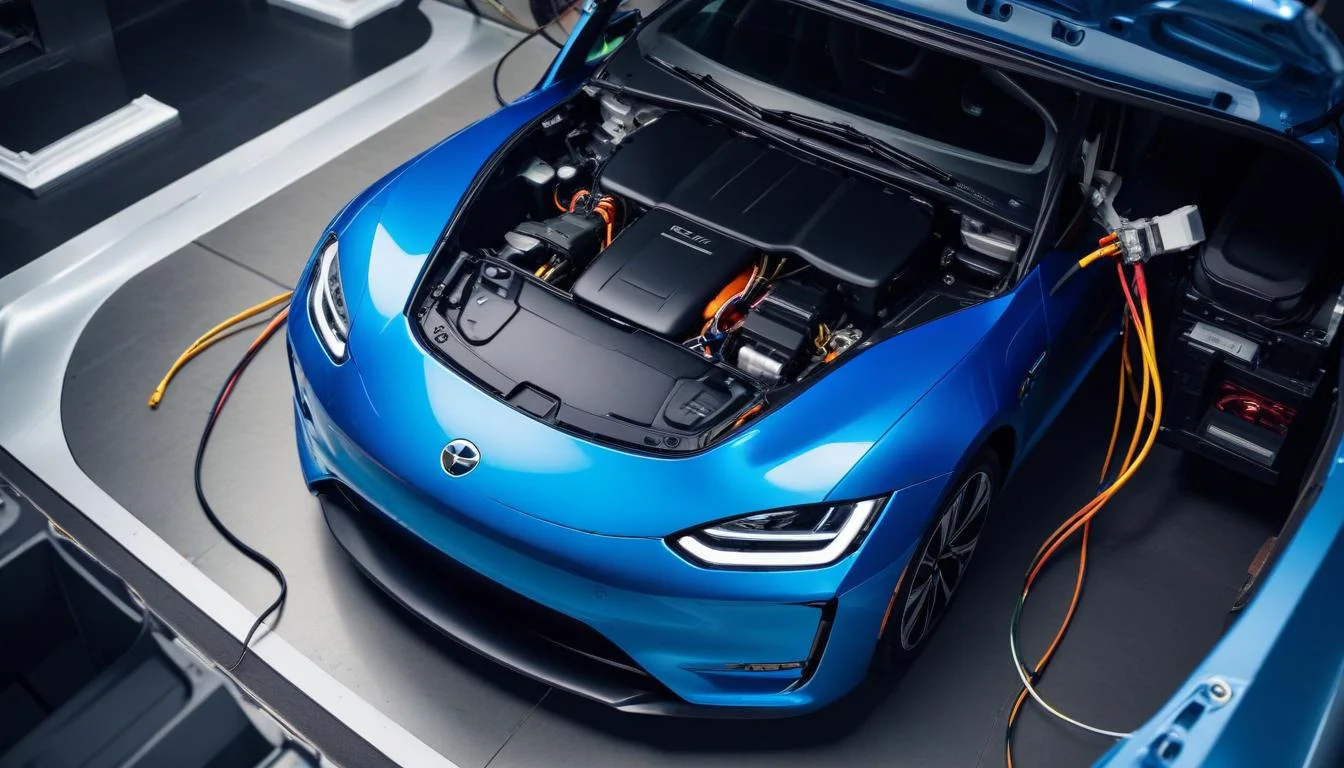
Understanding the intricacies of EV car components is crucial for anyone interested in electric vehicles whether you’re a potential buyer mechanic or simply curious about this transformative technology. Electric vehicles differ significantly from gasoline-powered cars primarily in their power source propulsion system and overall architecture. Instead of an internal combustion engine EVs utilize a battery pack electric motor and sophisticated power electronics. This shift introduces a new set of considerations relating to EV charging infrastructure solutions best electric vehicle components and overall maintenance. This exploration delves into the key components of electric vehicles highlighting their functions and the latest technological advancements in the field of electric vehicle battery types and electric car motor efficiency. Moreover understanding these components is essential for maintenance repair and appreciating the evolution of this exciting technology. Understanding Ev Car Components is paramount to choosing the right EV and ensuring its longevity.
The Battery System: Powering the Electric Revolution
The heart of any electric vehicle is undeniably its battery system. Currently lithium-ion batteries dominate the market due to their high energy density relatively low cost and established manufacturing processes. However research and development into solid-state batteries https://www.idtechex.com/en/research-report/solid-state-batteries-2023-2033/504 are underway promising increased energy density improved safety and longer lifespans. Within each battery cell a complex interplay of cathode anode and electrolyte facilitates the flow of ions generating electricity. The battery management system (BMS) is another critical component monitoring cell voltage temperature and current to optimize performance and prevent damage. This sophisticated system ensures safe operation preventing overcharging overheating and over-discharging. Furthermore battery pack design incorporates thermal management systems to maintain optimal operating temperature maximizing battery life and range. Factors such as charging habits driving style and environmental conditions significantly influence battery life and therefore the vehicle’s overall range. The best electric vehicle components often include advanced battery technologies.
The Electric Motor: Providing Propulsion
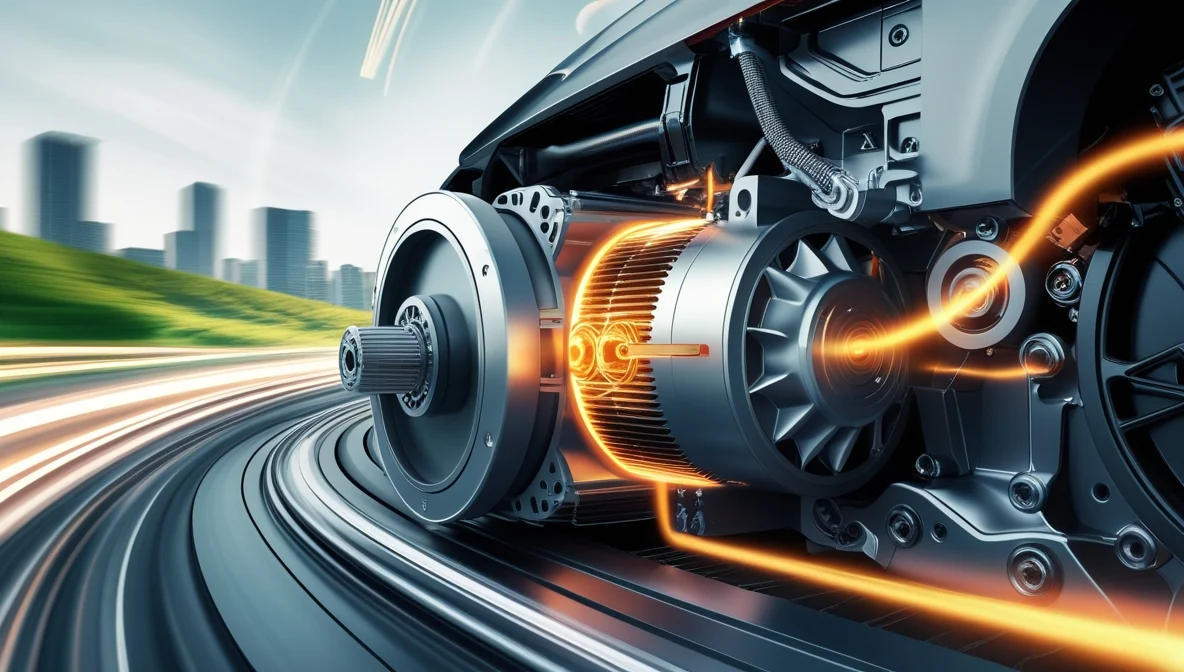
Electric motors offer several advantages over internal combustion engines including higher efficiency quieter operation and instant torque. Different types of electric motors exist each with its own characteristics. AC induction motors are robust and relatively inexpensive while permanent magnet synchronous motors offer higher efficiency and power density. The principle behind electric motor operation is electromagnetism converting electrical energy into mechanical energy to propel the vehicle. The motor’s characteristics including torque speed and efficiency influence the vehicle’s performance and range. A crucial component that works with electric motors is the motor controller or inverter converting DC power from the battery into AC power for the motor. Reduction gearing is also essential transmitting the motor’s relatively high speed low torque output to the wheels for optimal performance. This intricate system contributes significantly to electric car motor efficiency and overall vehicle performance. Electric car motor efficiency is a key factor when considering Ev Car Components.
Power Electronics: Efficient Power Management
Power electronics play a vital role in ensuring the efficient and safe operation of electric vehicles. They manage the flow of electrical energy between the battery the motor and other systems. Inverters are essential components converting the direct current (DC) from the battery into alternating current (AC) necessary for the electric motor. On-board chargers (OBCs) handle the conversion of alternating current (AC) from the grid to direct current (DC) for battery charging. In addition DC-DC converters manage different voltage levels within the vehicle ensuring that each component receives the appropriate power. These converters are essential for optimizing power delivery across various systems. Power semiconductor devices like Insulated Gate Bipolar Transistors (IGBTs) and Metal-Oxide-Semiconductor Field-Effect Transistors (MOSFETs) are the building blocks of these power electronic components contributing significantly to the overall efficiency of the vehicle. Ev Car Components rely heavily on sophisticated power electronics for optimal performance.
The selection of best electric vehicle components including the battery motor and power electronics significantly impacts an EV’s performance range and overall efficiency. Further advancements in battery technology motor design and power electronics are expected to continue improving EV capabilities. The continuous improvements and innovations in these areas are shaping the future of electric vehicle technology enhancing their overall appeal and competitiveness. Therefore understanding Ev Car Components is critical to evaluating and maintaining any electric vehicle.
Charging Systems: Fueling the Electric Journey
Understanding Ev Car Components is crucial for appreciating the advancements in electric vehicle technology. Electric vehicle battery types significantly impact range and performance. Similarly, electric car motor efficiency dictates speed and acceleration. Effective EV charging infrastructure solutions are essential for widespread adoption. Finally, the best electric vehicle components contribute to a superior driving experience. This section explores the different charging methods available for electric vehicles.
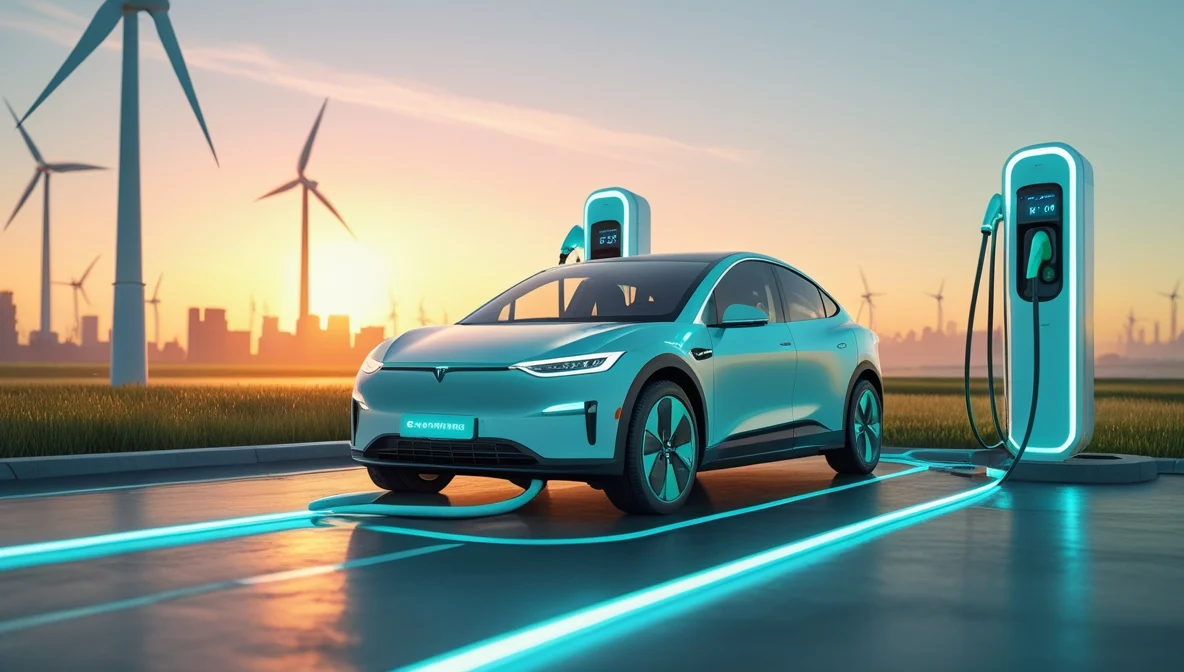
Level 1 charging uses a standard household outlet and provides the slowest charging speed. Level 2 charging utilizes a dedicated 240-volt outlet offering a significantly faster charge. DC fast charging stations provide the quickest charging times but are less common than Level 1 or 2 options. The choice of charging method depends on individual needs and access to different charging stations. Furthermore, the availability of public versus home charging significantly influences EV adoption. Home charging offers convenience but requires installation. Public charging infrastructure is expanding rapidly but can be inconsistent in terms of availability and reliability.
Different charging connectors and standards add to the complexity. CCS (Combined Charging System) is a popular standard in Europe and North America. CHAdeMO is another standard primarily used in Japan. Tesla uses its proprietary connector. These variations can make long journeys challenging for EV drivers. In addition, charging speed affects battery life. While fast charging is convenient it can put more stress on the battery reducing its lifespan. Optimal charging practices are key to maximizing battery longevity. Future trends include wireless charging and ultra-fast charging technologies which promise even greater convenience and efficiency. These improvements are vital for wider EV adoption.
Other Crucial Components
Beyond charging, several other components are critical for EV performance and safety. Thermal management systems are essential for regulating battery temperature. Effective cooling and heating maintain optimal performance and longevity. High-voltage wiring and sophisticated safety systems are crucial for preventing electrical shocks and fires. Power distribution units (PDUs) manage power flow within the vehicle. On-board diagnostic (OBD) systems monitor vehicle health and identify potential problems. Finally a network of sensors and control units manages various aspects of the vehicle’s operation. These Ev Car Components work together to ensure optimal efficiency and safety. The best electric vehicle components usually have better quality control and longer lifespans.
Future Trends and Innovations in EV Components
The field of EV technology is constantly evolving with several promising trends emerging. Advancements in battery technology are particularly significant. Solid-state batteries promise higher energy density longer lifespans and improved safety. Next-generation chemistries could also revolutionize battery performance. Improved motor designs focus on enhancing efficiency and power density resulting in better performance and range. More efficient power electronics and energy management systems are also under development. This directly impacts the range and efficiency of EVs. Developments in advanced charging technologies like wireless and ultra-fast charging aim to overcome range anxiety. However, the integration of AI and machine learning offers significant potential for optimizing vehicle performance and managing energy consumption. These advancements demonstrate a concerted effort towards building better and more sustainable vehicles. The importance of Ev Car Components continues to grow with these developments.
Conclusion: The Ongoing Evolution of EV Technology
Electric vehicles rely on a complex interplay of components each playing a crucial role in overall performance safety and efficiency. From advanced battery technology and efficient motors to sophisticated charging systems and intelligent control units the ongoing evolution of EV technology is truly remarkable. The development of electric vehicles presents both challenges and opportunities. Challenges include infrastructure development battery cost and range anxiety. However opportunities abound in technological innovation sustainable transportation and economic growth. The future of electric vehicles looks promising. The continued refinement of Ev Car Components will contribute significantly to the widespread adoption of EVs making them a practical and appealing choice for a wider range of consumers.
FAQs
Q: What is the difference between Level 2 and DC fast charging?
A: Level 2 charging is slower and uses a 240-volt outlet. DC fast charging is much faster using high-voltage DC power.
Q: How long does it take to fully charge an EV?
A: Charging time varies depending on the vehicle battery size and the charging method used.
Learn more about EV technology
